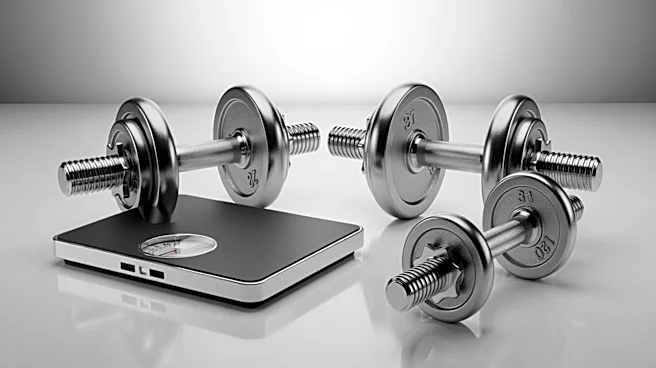








Body composition plays a significant role in physical fitness, influencing an individual's overall health and athletic performance. It refers to the distribution of fat, muscle, bone, and water within the body. Understanding body composition is essential for designing effective fitness programs and achieving optimal health outcomes. This article examines the impact of body composition on physical fitness and the importance of its various components.
Impact on Fitness and Health
Body composition affects physical fitness by determining the proportion of fat and muscle in the body. A higher muscle mass relative to fat mass is generally associated with better fitness levels. Muscle tissue is metabolically active, meaning it burns more calories at rest compared to fat tissue. This can lead to improved metabolic health and a lower risk of chronic diseases.
Conversely, excess body fat, particularly visceral fat, is linked to poor metabolic health and increased risk of conditions such as heart disease and diabetes. Visceral fat is located near internal organs and is more harmful than subcutaneous fat, which is found just under the skin. Therefore, reducing visceral fat through exercise and diet is crucial for improving health outcomes.
Importance of Muscle and Bone Strength
Muscle and bone strengthening exercises are vital for enhancing body composition. Resistance training, which involves lifting weights or using resistance bands, helps increase muscle mass and bone density. This type of exercise not only improves strength but also supports joint health and reduces the risk of osteoporosis.
Aerobic exercises, such as running or cycling, are effective for reducing fat mass. High-intensity interval training (HIIT) is particularly beneficial for decreasing visceral fat. Combining aerobic and resistance training can lead to significant improvements in body composition, enhancing both muscle and bone strength while reducing fat mass.
Tailoring Fitness Programs
Understanding body composition allows for the customization of fitness programs to meet individual needs. For example, athletes may focus on increasing muscle mass to improve performance, while individuals with higher body fat percentages may prioritize fat reduction. The ideal body composition varies based on factors such as age, sex, and activity level.
Fitness assessments that measure body composition can provide valuable insights into an individual's health status. Techniques such as DEXA scans, bioelectrical impedance analysis, and skinfold tests can help track changes in body composition over time. By monitoring these changes, individuals can adjust their fitness programs to achieve their health and fitness goals.