





Fred Rogers, the beloved creator and host of Mister Rogers' Neighborhood, made a significant impact on public broadcasting in the United States through his 1969 Senate testimony. At a time when federal funding for public broadcasting was under threat, Rogers stepped forward to advocate for the importance of children's programming and non-commercial media. His heartfelt appeal not only secured funding but also highlighted the role of public television
in nurturing children's emotional and moral development.
The Threat to Public Broadcasting
In 1969, the Nixon administration proposed a drastic cut in federal funding for public broadcasting, reducing the budget from $20 million to $10 million. This proposal raised concerns among educators, broadcasters, and the public, who feared that such a reduction would hinder the growth and accessibility of educational content. The Corporation for Public Broadcasting (CPB), established by the Public Broadcasting Act of 1967, relied heavily on federal funding to support its initiatives. The proposed cuts threatened the very existence of programs like Mister Rogers' Neighborhood, which played a crucial role in children's education.
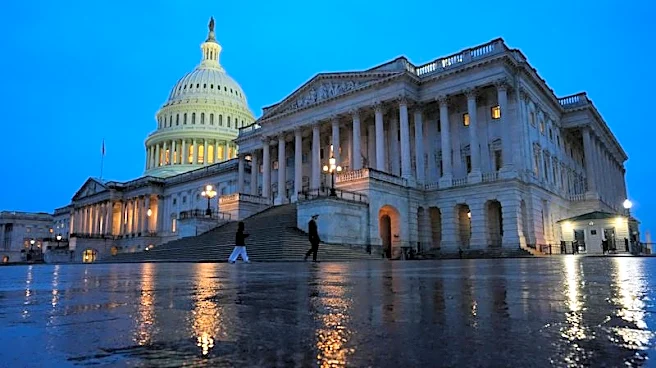
Fred Rogers was invited to testify before the United States Senate Commerce Subcommittee on Telecommunications and Media. His testimony was a pivotal moment in the history of public broadcasting, as he emphasized the emotional and educational value of children's programming. Rogers's sincere and composed delivery notably influenced Senator John Pastore, the subcommittee's chair, who responded favorably to Rogers's appeal.
Rogers's Impactful Testimony
During his six-minute testimony, Fred Rogers chose to speak extemporaneously rather than read from a prepared statement. He highlighted the importance of nurturing children's emotional and moral development, which he believed public television uniquely supported. Rogers described his program's approach to helping children deal with complex emotions, such as anger and fear, in constructive ways. He recited the lyrics of his song "What Do You Do with the Mad that You Feel?" to illustrate how his show helped children understand and express their emotions safely.
Rogers's heartfelt appeal resonated with Senator Pastore, who was initially skeptical of Rogers's appeal. After listening to Rogers's presentation, Pastore was moved to tears and remarked, "I think it's wonderful. I think it's wonderful. Looks like you just earned the $20 million." This moment is credited with securing the full $20 million funding for the Corporation for Public Broadcasting.
Legacy of Rogers's Advocacy
Fred Rogers's testimony is considered one of the most powerful pieces of testimony ever offered before Congress. It has been studied by public relations experts and academics for its effectiveness in securing funding for PBS for many years afterward. Congressional funding for PBS increased from $9 million to $22 million soon after Rogers's testimony. His advocacy for public broadcasting continued to resonate, with videos of his testimony experiencing repeated resurgences in response to proposed funding cuts in later years.
Rogers's legacy as a champion for public broadcasting is a testament to the power of sincere and heartfelt advocacy. His commitment to children's emotional and moral development through non-commercial media has left a lasting impact on public television and continues to inspire generations.