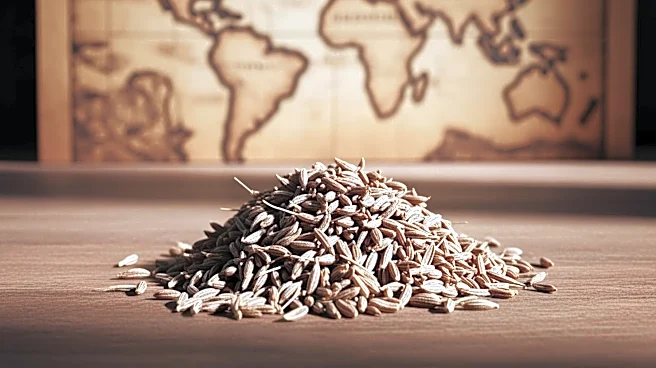






Cumin, a spice derived from the seeds of the Cuminum cyminum plant, has a rich history that spans thousands of years. This small but potent seed has been a staple in various cultures, from ancient civilizations to modern kitchens. Its journey from the Mediterranean to the Indian subcontinent and beyond highlights its enduring appeal and versatility.
Ancient Beginnings
Cumin's history can be traced back to ancient times, with evidence of its use found in archaeological
sites dating back to the early 6th millennium BC. In the ancient Egyptian civilization, cumin was not only used as a spice but also played a role in mummification processes. The seeds were discovered in several New Kingdom levels of Egyptian archaeological sites, indicating their significance in daily life and rituals.
The Minoans of ancient Crete also valued cumin, as evidenced by ideograms found in Linear A archive tablets. These tablets documented the storage of cumin in Minoan palaces, showcasing its importance in their society. The ancient Greeks and Romans further embraced cumin, incorporating it into their culinary practices. In Greece, cumin was kept at the dining table in its own container, a tradition that continues in Morocco today.
Cumin's Global Spread
Cumin's journey did not stop in the Mediterranean. It spread to the Indian subcontinent, where it became a fundamental ingredient in countless recipes. In India, cumin has been used for millennia, forming the basis of many spice blends that are integral to the region's cuisine. Its introduction to the Americas came through Spanish and Portuguese colonists, further expanding its global reach.
Today, cumin is predominantly grown in the Indian subcontinent, Northern Africa, Mexico, Chile, and China. India stands as the world's largest producer, accounting for about 70% of global production. The spice's adaptability to various climates and its drought tolerance have facilitated its cultivation in diverse regions.
Cumin in Modern Times
In modern times, cumin continues to be a beloved spice in kitchens worldwide. Its distinctive flavor and aroma make it a staple in many culinary traditions, from Indian curries to Mexican chili powders. Despite its ancient origins, cumin remains relevant, finding its way into contemporary dishes and fusion cuisines.
While cumin is sometimes used in traditional medicine, there is no high-quality evidence supporting its effectiveness as a therapeutic agent. Nonetheless, its culinary applications continue to thrive, cementing its place as a timeless spice with a storied past.
Cumin's journey from ancient civilizations to modern kitchens is a testament to its enduring appeal and versatility. As it continues to flavor dishes across the globe, cumin's historical significance and cultural impact remain as strong as ever.