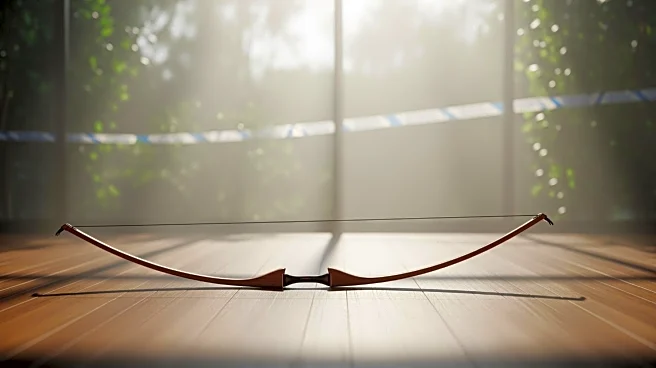



Dhanurasana, or Bow Pose, is a popular back bending asana in hatha yoga and modern yoga as exercise. Known for its ability to stretch the back muscles and improve flexibility, Dhanurasana is a staple in many yoga routines. This article delves into the technique of performing Dhanurasana and explores its various adaptations, offering insights into how practitioners can tailor the pose to their needs.
Performing Dhanurasana
To perform Dhanurasana, one begins in a prone position,
lying flat on the stomach. The feet are then grasped with the hands, lifting the legs and chest to form the shape of a bow with the body. The arms act as the bowstring, creating tension and facilitating the stretch. This pose requires a balance of strength and flexibility, engaging the back, legs, and arms.
Practitioners often use Balasana, or Child's Pose, as a counter pose to Dhanurasana. This helps to relax the muscles and restore balance after the intense backbend. The transition between these poses highlights the importance of balance and counterbalance in yoga practice, ensuring that the body remains aligned and healthy.
Variations of Dhanurasana
Dhanurasana offers several variations to accommodate different levels of flexibility and strength. One such variation is Parsva Dhanurasana, where the body is rolled onto one side while maintaining the bow shape. This adds a lateral stretch to the pose, engaging different muscle groups and enhancing the overall flexibility.
Another variation is Purna Dhanurasana, a more extreme backbend where the legs are brought closer to the head. This version requires advanced flexibility and strength, making it suitable for experienced practitioners. These variations allow individuals to progress in their practice, gradually increasing the intensity and complexity of the pose.
Complementary Asanas
To complement Dhanurasana, practitioners often incorporate counter asanas such as Halasana (Plough Pose) and Sarvangasana (Shoulderstand). These poses help to balance the intense backbend of Dhanurasana, promoting overall spinal health and flexibility.
Additionally, Salabhasana, an easier reclining backbend, can serve as a preparatory pose for Dhanurasana. It helps to build the necessary strength and flexibility, making the transition to the full Bow Pose smoother and safer.
Through understanding the technique and variations of Dhanurasana, practitioners can enhance their yoga practice, tailoring the pose to their individual needs and capabilities. This adaptability is a key aspect of yoga, allowing it to serve as a versatile tool for physical and mental well-being.