




The Alaskan Malamute is a breed that embodies the ruggedness and resilience required to thrive in the Arctic. Known for its strength and endurance, the Malamute has been a vital companion to the indigenous peoples of Alaska, helping them navigate the harsh conditions of the region. This article explores the physical characteristics and adaptations that make the Alaskan Malamute uniquely suited to life in the Arctic.
Physical Characteristics
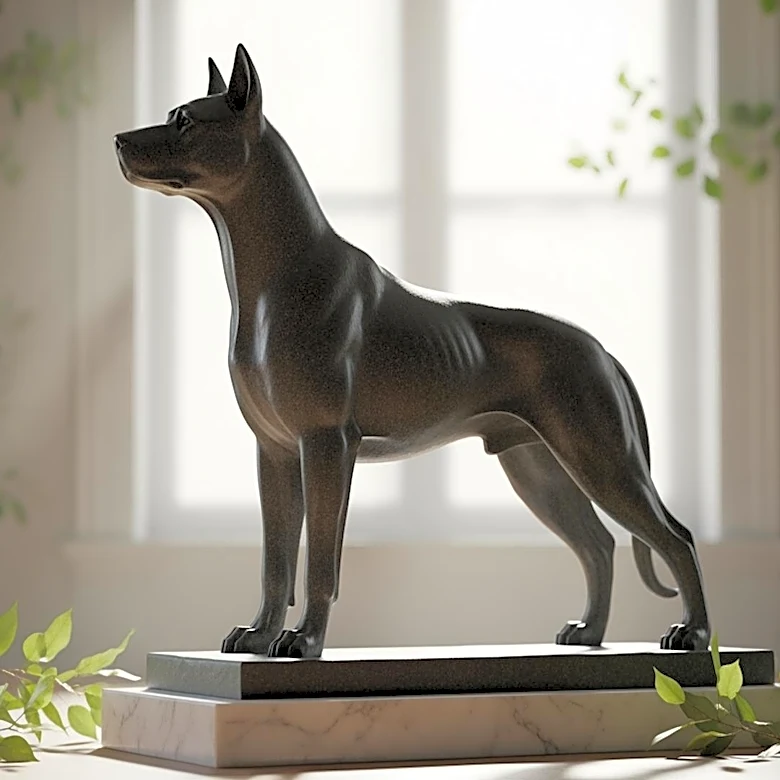
The Alaskan Malamute is a large
and powerful dog, with males typically standing between 66 and 71 centimeters at the shoulder and weighing between 38 and 45 kilograms. Females are slightly smaller, but still robust, with a height of 58 to 66 centimeters and a weight of 33 to 38 kilograms. The breed's size and strength are key to its ability to pull heavy sleds over long distances, a task for which it was originally bred.
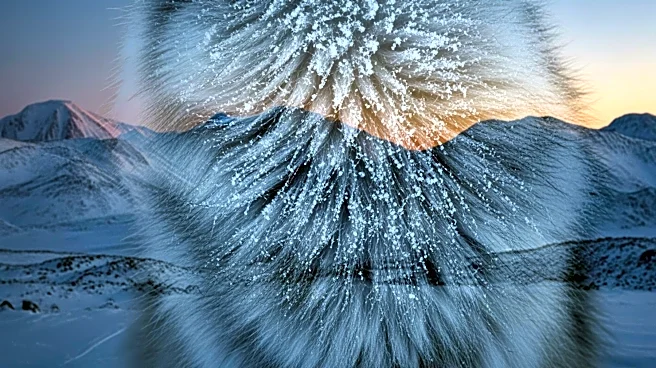
One of the most distinctive features of the Malamute is its thick double coat, which provides insulation against the extreme cold of the Arctic. The undercoat is oily and woolly, up to two inches thick, while the outer coat is coarse and longer, offering additional protection from the elements. This coat not only keeps the Malamute warm but also helps it to shed snow and ice, preventing the buildup of moisture that could lead to hypothermia.
Adaptations for Survival
In addition to its coat, the Alaskan Malamute has several other adaptations that make it well-suited to the Arctic environment. Its large, snowshoe-like feet are designed to distribute weight evenly, allowing the dog to move efficiently over snow and ice. The breed's strong, muscular build provides the power needed to pull sleds, while its endurance allows it to maintain a steady pace over long distances.
The Malamute's ears are small and erect, reducing the risk of frostbite, and its bushy tail is often carried over the back, providing additional warmth when the dog curls up to sleep. These physical traits, combined with the breed's natural resilience, enable the Malamute to thrive in conditions that would challenge many other dogs.
The Malamute Today
While the Alaskan Malamute is no longer solely a working dog, its physical characteristics and adaptations remain a testament to its Arctic heritage. Today, the breed is often seen in sledding competitions and as a beloved family pet. However, its need for exercise and mental stimulation means that it is best suited to active owners who can provide the environment it needs to flourish.
The Alaskan Malamute's enduring popularity is a reflection of its unique combination of strength, endurance, and adaptability, qualities that have made it a cherished companion in the Arctic and beyond.