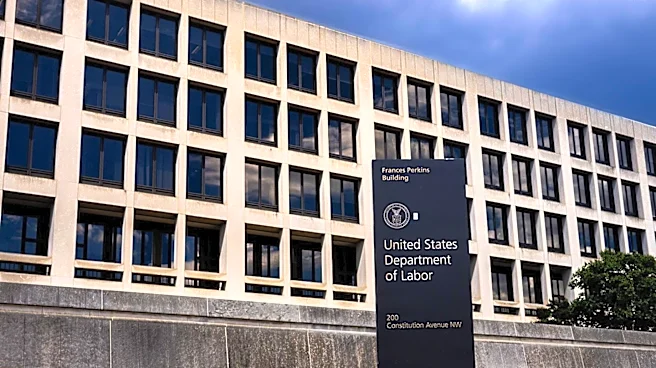









The United States Department of Labor (DOL) has played a crucial role in shaping the labor landscape of the country since its establishment in 1913. Over the years, the department has evolved to address the changing needs of American workers, employers, and the economy. This article explores the historical development of the DOL, highlighting key milestones and transformations that have defined its journey.
Early Beginnings and Establishment
The roots of the Department of Labor can
be traced back to the late 19th century when the U.S. Congress established the Bureau of Labor Statistics in 1884. Initially part of the Department of the Interior, this bureau was tasked with collecting data on labor and employment. By 1888, it became an independent Department of Labor, although it lacked executive rank. The need for a dedicated department became more apparent as the industrial landscape of the United States grew more complex.
In 1903, the Department of Commerce and Labor was created, combining responsibilities for both commerce and labor. However, the growing importance of labor issues led to the separation of these functions. On March 4, 1913, President William Howard Taft signed a bill establishing the Department of Labor as a standalone Cabinet-level department. William B. Wilson was appointed as the first Secretary of Labor, marking the beginning of a new era in labor administration.
Key Developments and Legislation
Throughout its history, the Department of Labor has been instrumental in implementing significant labor legislation. One of the early milestones was the Federal Employees' Compensation Act of 1916, which introduced benefits for workers injured on the job. This act laid the groundwork for the Office of Workers' Compensation Programs, which became part of the department in the 1940s.
The department also played a pivotal role in the passage of the Taft-Hartley Act in 1947, which redefined labor relations in the United States. This act led to the creation of the Federal Mediation and Conciliation Service, an independent agency that took over the U.S. Conciliation Service's functions. These legislative actions underscored the department's commitment to improving labor conditions and protecting workers' rights.
Modernization and Challenges
In the latter half of the 20th century, the Department of Labor faced new challenges as the American workforce became more diverse. Under Secretary George P. Shultz in the 1970s, the department made concerted efforts to promote racial diversity within unions, reflecting the broader civil rights movement.
The department has also adapted to technological advancements and changing economic conditions. In recent years, it has focused on modernizing its operations and ensuring that labor laws keep pace with the evolving nature of work. Despite these efforts, the department continues to navigate complex issues such as labor racketeering, human trafficking, and the impact of globalization on American jobs.
The Department of Labor's journey from its inception to the present day highlights its enduring commitment to fostering a fair and equitable labor market. As it continues to evolve, the department remains a vital institution in safeguarding the rights and well-being of American workers.