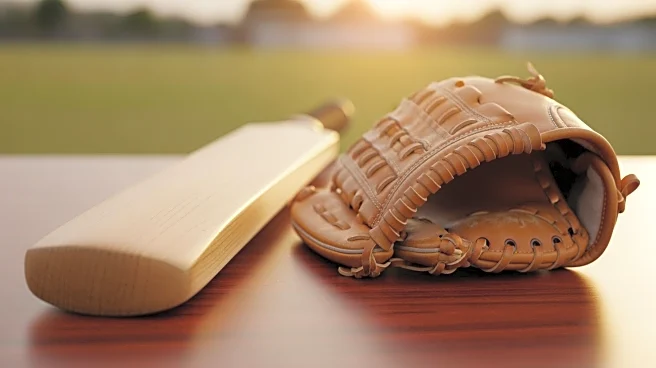

George Wright's journey from a cricket-playing youth to a baseball icon is a fascinating story of talent and adaptability. Born in 1847, Wright's early exposure to cricket laid the foundation for his later
success in baseball. This article traces his path from cricket to becoming one of the most celebrated figures in baseball history.
Early Life and Cricket Beginnings
George Wright was born in Yonkers, New York, and was raised in a family with a strong cricket background. His father, Samuel Wright, was a cricket club pro, and George, along with his brothers, learned the sport from an early age. The Wright family moved to Elysian Fields in Hoboken, New Jersey, where many baseball clubs played, providing George with exposure to both cricket and baseball.
Despite his cricket roots, George Wright's talent for baseball became evident as he grew older. By the age of 15, he was playing for the Gotham juniors, and by 17, he was the regular catcher for the team. His skills on the field quickly caught the attention of baseball enthusiasts, setting the stage for his future career.
Transition to Baseball Stardom
George Wright's transition from cricket to baseball was marked by his exceptional performance on the field. In 1869, he joined the Cincinnati Red Stockings, the first fully professional baseball team, where he quickly established himself as the best player of his time. His batting average of .633 and 49 home runs in 57 games during the 1869 season are a testament to his prowess.
Wright's success continued with the Boston Red Stockings, where he helped the team win six league championships from 1871 to 1878. His older brother, Harry Wright, managed both teams and recognized George's talent, making him a cornerstone of his teams. This partnership proved to be a winning combination, solidifying George's place in baseball history.
Legacy and Impact
George Wright's journey from cricket to baseball legend is a testament to his adaptability and skill. His contributions to baseball were recognized with his election to the Baseball Hall of Fame in 1937, the same year he passed away. Wright's legacy extends beyond his playing days, as he also played a role in the development of other sports, such as golf.
In conclusion, George Wright's transition from cricket to baseball is a remarkable story of talent and determination. His impact on the sport is still felt today, and his legacy as a baseball icon continues to inspire future generations.