




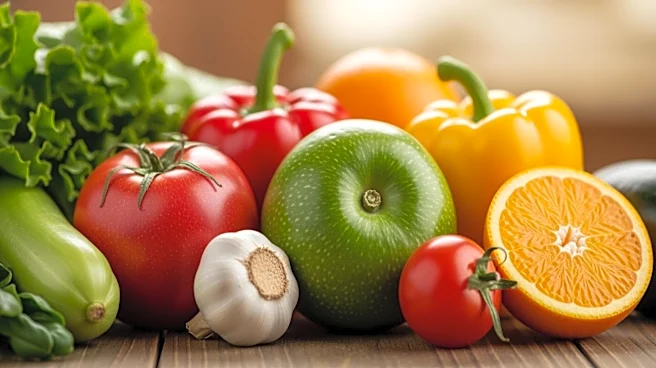


Blanching is a crucial technique in food preservation, particularly for fruits and vegetables. By briefly boiling and then cooling produce, blanching helps maintain quality and extend shelf life. This article explores how blanching is used in food preservation and its impact on the quality of preserved foods.
Role in Enzyme Deactivation
One of the primary roles of blanching in food preservation is enzyme deactivation. Enzymes such as lipoxygenase, polyphenoloxidase, and chlorophyllase can cause deterioration in fruits and vegetables, leading to loss of flavor, color, and texture. Blanching effectively deactivates these enzymes, preserving the food's quality during storage.Catalase and peroxidase are commonly used to determine the success of blanching, as they are the most thermal-resistant enzymes of concern. By
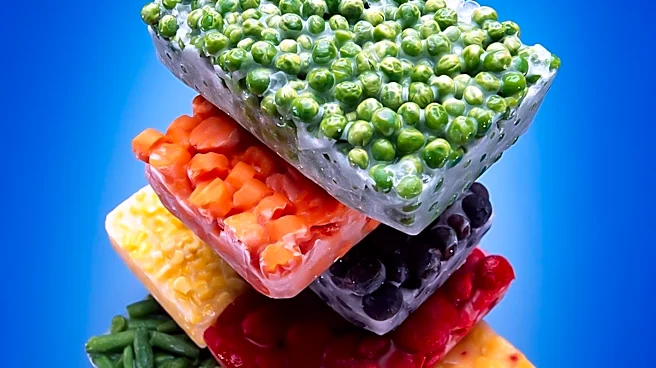
ensuring these enzymes are deactivated, blanching helps prevent browning and off-flavors, making it an essential step before freezing, dehydrating, or canning.
Impact on Texture and Color
Blanching also plays a significant role in maintaining the texture and color of preserved foods. The process expels air trapped within plant tissues, which is vital before canning. This step reduces the risk of faulty seams in cans and improves the texture of the food. Additionally, removing intercellular gases results in better color retention, enhancing the visual appeal of preserved produce.For foods like pears, blanching helps remove gas, resulting in a better texture and reduced oxidation. This technique is also used for peeling fruits, vegetables, and nuts, making it easier to remove skins without damaging the underlying flesh.
Considerations in Blanching
While blanching offers numerous benefits, there are some considerations to keep in mind. The process can lead to the leaching of water-soluble and heat-sensitive nutrients, which may affect the nutritional value of the food. To minimize nutrient loss, it is essential to follow recommended blanching times and temperatures based on the type of food.Over-blanching can result in excessive nutrient loss and softening of the food, while under-blanching may not effectively inactivate all enzymes. By carefully managing the blanching process, food preservation can be optimized, ensuring high-quality, long-lasting produce.
Blanching is a valuable technique in food preservation, offering benefits such as enzyme deactivation, improved texture, and color retention. By understanding and applying this method, both home cooks and food industry professionals can enhance the quality and longevity of preserved foods.