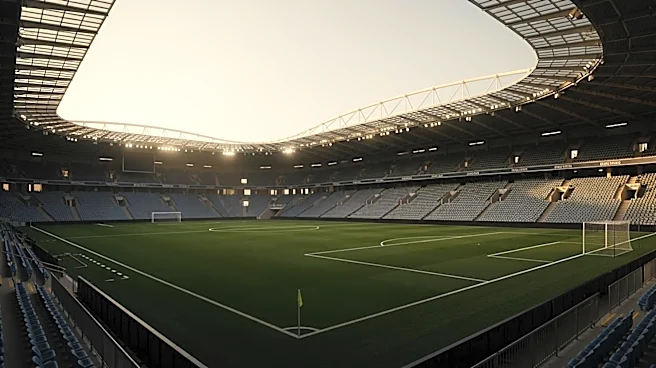






Estadio El Teniente, located in Rancagua, Chile, played a pivotal role in the 1962 FIFA World Cup. Originally not intended to be a host venue, the stadium stepped in due to unexpected events that reshaped the tournament's logistics. This article delves into how Estadio El Teniente became a crucial part of the World Cup, highlighting the circumstances that led to its involvement and the matches it hosted.
The Impact of the 1960 Valdivia Earthquake
The 1960 Valdivia earthquake was a significant
natural disaster that affected Chile, causing widespread damage across the country. This earthquake had a direct impact on the 1962 FIFA World Cup, as several planned host cities suffered severe damage to their facilities. Cities like Talca, Concepción, Talcahuano, and Valdivia were unable to host matches due to the destruction of their stadiums. As a result, the original schedule for the World Cup had to be discarded, and new venues were sought to accommodate the tournament.
Estadio El Teniente, owned by the U.S. Braden Copper Company, was offered as an alternative venue. Despite its smaller size and spartan facilities, the stadium was chosen to host matches due to the urgent need for suitable locations. The involvement of U.S. mining interests in allowing the use of their stadium was crucial in ensuring the World Cup could proceed as planned.
Hosting Group 4 Matches and a Quarterfinal
During the 1962 FIFA World Cup, Estadio El Teniente hosted all matches of Group 4, as well as a quarterfinal game. This included teams such as Argentina, Bulgaria, Hungary, and England. The stadium's capacity of 14,087 spectators was put to the test as fans gathered to watch these international matches.
The matches played at Estadio El Teniente were significant in the context of the tournament. Despite the challenges posed by the earthquake, the stadium provided a venue where teams could compete and fans could enjoy the spectacle of the World Cup. The successful hosting of these matches demonstrated the resilience and adaptability of the organizers in overcoming the obstacles presented by the natural disaster.
Legacy and Continued Use
The involvement of Estadio El Teniente in the 1962 FIFA World Cup left a lasting legacy. It showcased the stadium's ability to host international events, despite its initial limitations. Over the years, the stadium has undergone renovations and improvements, further solidifying its place in Chilean sports history.
Today, Estadio El Teniente continues to be a venue for major sporting events, including the Copa América and upcoming FIFA U-20 World Cup. Its role in the 1962 World Cup remains a testament to the stadium's importance in Chile's sporting landscape, highlighting how unforeseen circumstances can lead to unexpected opportunities.