







Formula 3000, established in 1985, was a series that not only served as a stepping stone for drivers but also showcased the evolution of racing technology. Over its two-decade history, the series underwent significant changes in car specifications, reflecting broader trends in motorsport engineering.
Early Years: Open Specifications
In its early years, Formula 3000 allowed teams to choose their own engines and chassis, fostering a competitive and innovative environment. The series
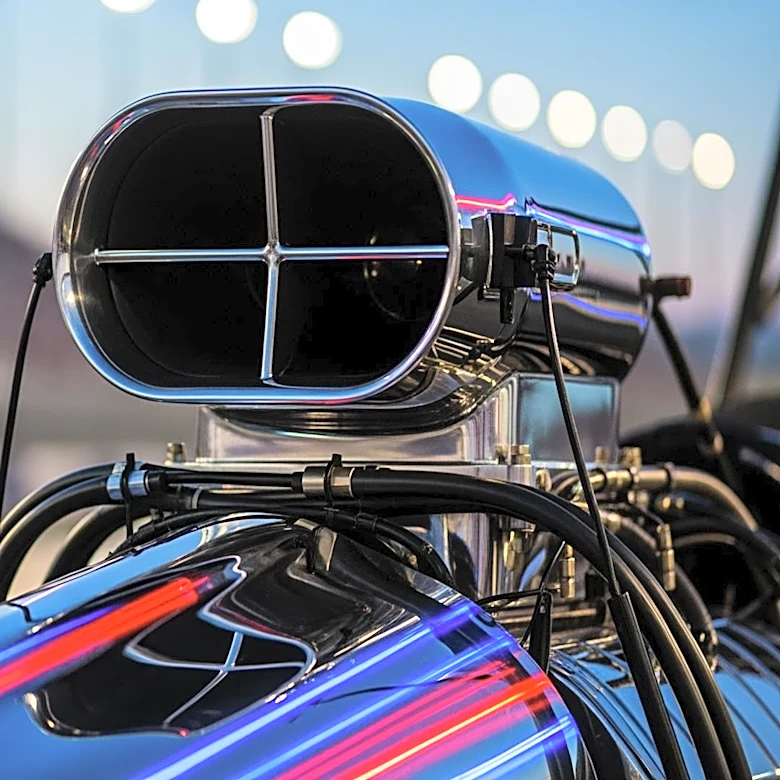
was named for its 3.0-liter engine capacity, with the Cosworth DFV engine being a popular choice due to its previous use in Formula One. This open specification encouraged diversity in engineering approaches, as teams experimented with different setups to gain a competitive edge.
Chassis designs varied, with entries from March, Ralt, and Lola, among others. Some teams even attempted to use obsolete Formula One cars, though these efforts were largely unsuccessful due to issues with weight distribution and fuel tank size. The open nature of the series allowed for a wide range of engineering solutions, contributing to the dynamic and unpredictable nature of the races.
Standardization and Technological Advancements
By 1996, Formula 3000 had transitioned to a standardized format, with the introduction of a single engine and chassis supplier. The Judd V8 engine, re-engineered and badged as Zytek, became the sole engine, while Lola provided the chassis. This move towards standardization aimed to control costs and ensure fair competition, allowing teams to focus more on driver development and race strategy.
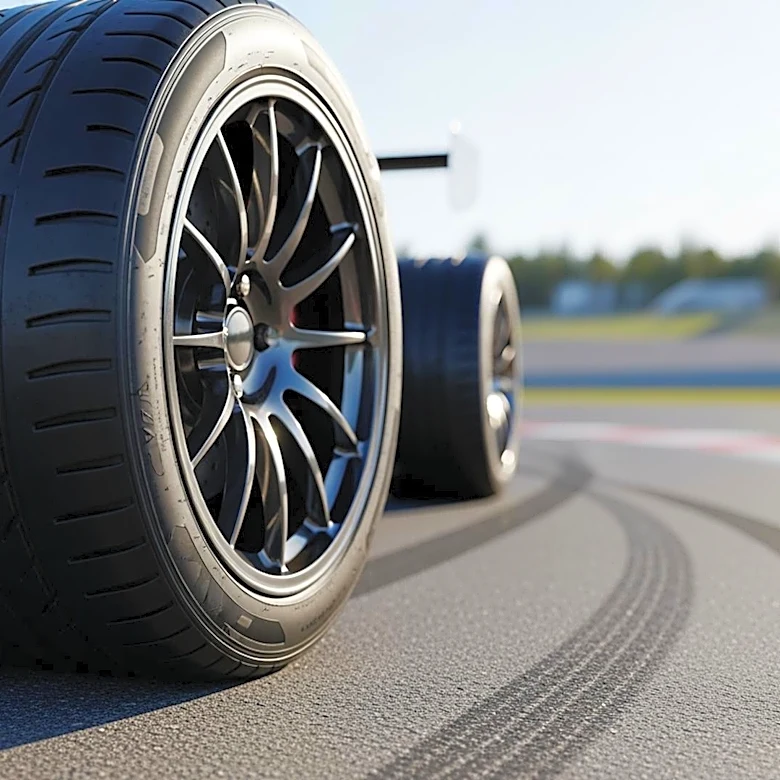
The standardization of tires by Avon in 1986 further contributed to the uniformity of the series. These changes reflected broader trends in motorsport, where cost control and competitive balance became increasingly important. The standardized format also aligned Formula 3000 more closely with Formula One, as the series became support races for Grand Prix events.
Legacy of Innovation
Despite the shift towards standardization, Formula 3000 remained a platform for technological innovation. The series provided engineers with the opportunity to refine their skills and develop new technologies within the constraints of the standardized format. This focus on innovation and development helped prepare both drivers and engineers for the challenges of Formula One.
The legacy of Formula 3000's technical evolution is evident in the continued emphasis on innovation in motorsport. The series demonstrated the importance of balancing technological advancement with cost control and competitive fairness, lessons that continue to influence racing series today. Although Formula 3000 was replaced by the GP2 Series in 2005, its impact on motorsport engineering remains significant.