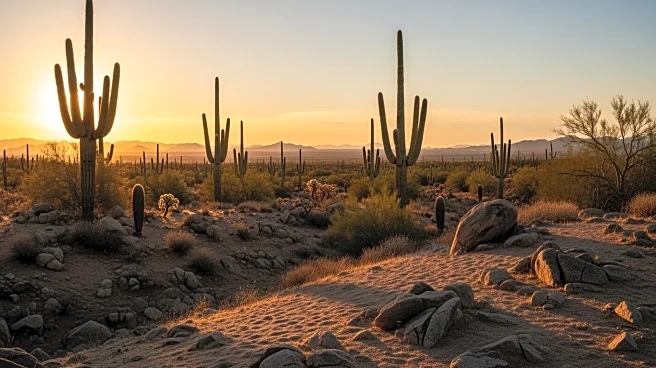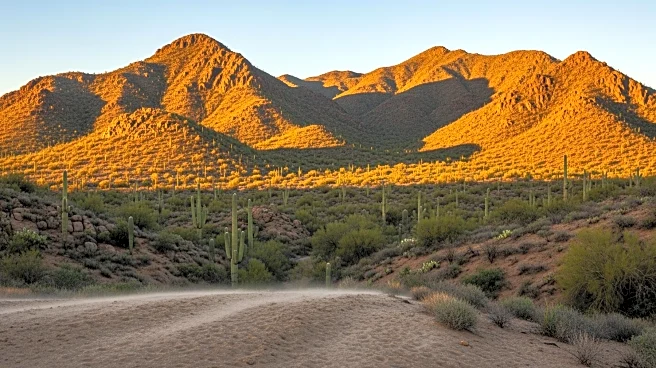




The Sonoran Desert, a vast and diverse region in North America, is not only known for its unique flora and fauna but also for its striking mountain ranges. These ranges, scattered across southern Arizona and parts of Mexico, contribute significantly to the desert's geography and ecology. From the rugged peaks of the Sierra Madre Occidental to the lower elevations of the Colorado Desert, the mountain ranges of the Sonoran Desert offer a fascinating
glimpse into the area's natural history.
The Sierra Madre Occidental
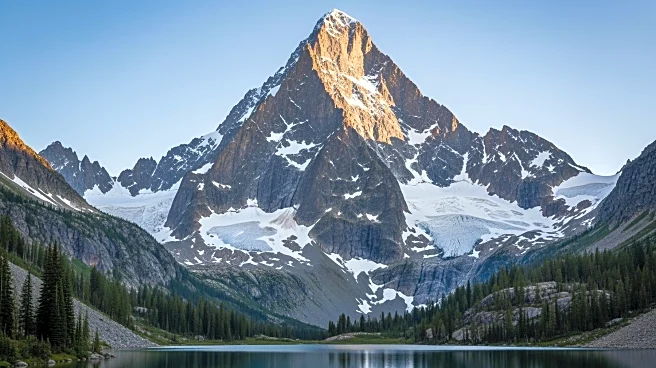
The Sierra Madre Occidental is one of the most prominent mountain ranges in the Sonoran Desert, stretching across eastern Sonora and into neighboring states. This range is characterized by its high elevations, which provide a cooler and wetter climate compared to the surrounding desert plains. The Sierra Madre Occidental is home to diverse plant and animal species, many of which are adapted to its unique environmental conditions.
The range's elevation influences the distribution of vegetation, with forests covering the higher altitudes. These forests are crucial for maintaining biodiversity and serve as important habitats for various wildlife species. The Sierra Madre Occidental also plays a vital role in the hydrology of the region, as it captures moisture from the Pacific Ocean, feeding rivers and aquifers that sustain life in the desert.
The Colorado Desert and Other Ranges
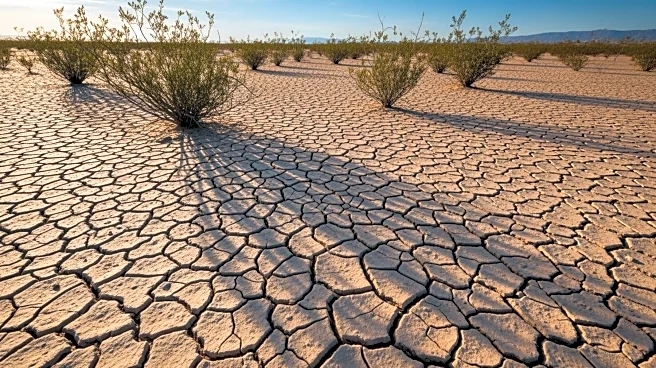
In contrast to the Sierra Madre Occidental, the Colorado Desert is characterized by lower elevations and more extreme temperatures. This subsection of the Sonoran Desert lies west of the Colorado River and is known for its arid conditions. Despite the harsh environment, the Colorado Desert hosts several mountain ranges that contribute to its unique landscape.
These ranges, including those in La Paz County, Arizona, form a natural boundary between the Mojave Desert to the north and the Sonoran Desert to the south. The mountains in this area are less forested, with vegetation primarily consisting of desert scrub and cacti. The Colorado Desert's mountain ranges are essential for understanding the ecological transitions between different desert regions.
Ecological and Cultural Significance
The mountain ranges of the Sonoran Desert are not only important for their ecological contributions but also for their cultural significance. Indigenous peoples have inhabited these areas for centuries, relying on the mountains for resources and spiritual practices. The ranges are often considered sacred, with many tribes holding ceremonies and rituals in these natural settings.
Conservation efforts in the Sonoran Desert aim to protect these mountain ranges and their unique ecosystems. Preserving the natural beauty and biodiversity of the region is crucial for maintaining the ecological balance and cultural heritage of the desert. As climate change and human activities continue to impact the area, understanding and safeguarding the mountain ranges of the Sonoran Desert becomes increasingly important.