



Physical markets have been a cornerstone of human civilization, evolving over time to meet the changing needs of society. From ancient bazaars to modern supermarkets, these markets have transformed in response to economic, cultural, and technological shifts. Exploring the history of physical markets reveals how they have adapted and endured through the ages.
Ancient and Medieval Markets
The earliest markets can be traced back to ancient civilizations such as Babylonia, Assyria,
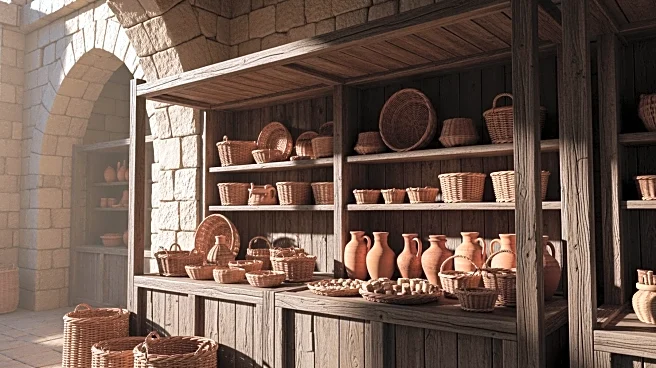
and Greece. These markets were often open-air spaces where traders gathered to exchange goods. In the Middle East, bazaars emerged as long strips with stalls on either side, providing a covered space for trade. These early markets were crucial for the distribution of goods and the exchange of ideas across regions.
During the medieval period, markets became more organized and regulated. In Europe, market towns developed around monasteries and castles, attracting traders and consumers. These markets were often granted charters by monarchs, which protected their trading privileges and established regular market days. The increased regulation of marketplace practices, such as weights and measures, gave consumers confidence in the quality of goods and fairness of prices.
The Rise of Modern Markets
The Industrial Revolution brought significant changes to the structure and function of markets. As urban populations grew, the demand for goods increased, leading to the development of more permanent and specialized markets. Supermarkets and hypermarkets emerged in the 20th century, offering a wide range of products in a single location. These modern markets prioritized convenience and efficiency, with regular trading hours and a focus on customer service.
The rise of technology has also influenced the evolution of markets. Today, many markets have incorporated digital elements, such as online platforms and electronic payment systems, to enhance the shopping experience. This integration of technology has allowed markets to reach a broader audience and adapt to the changing preferences of consumers.
The Future of Physical Markets
As society continues to evolve, so too will physical markets. The growing emphasis on sustainability and local sourcing is likely to shape the future of markets, with an increased focus on supporting local producers and reducing environmental impact. Farmers' markets and other specialized markets that emphasize fresh, locally sourced goods are expected to gain popularity.
Moreover, the integration of technology will continue to play a significant role in the evolution of markets. From virtual marketplaces to smart shopping solutions, technology will enable markets to offer more personalized and efficient experiences for consumers. Despite these changes, the core function of markets as spaces for exchange and interaction will remain, ensuring their continued relevance in the economy.