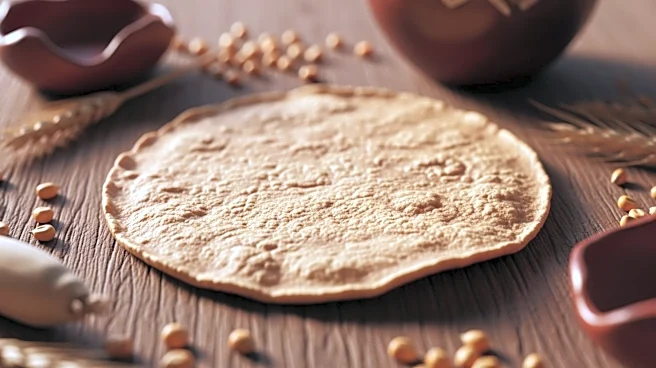







Tortillas are a staple in Mexican cuisine, but their history stretches back thousands of years. Originating in Mesoamerica, these thin, circular flatbreads have evolved significantly over time. From their beginnings with the indigenous peoples of the region to their adaptation with the introduction of wheat by the Spanish, tortillas have become a culinary cornerstone in many cultures.
Ancient Origins
The history of the tortilla begins in Mesoamerica, where it was
first made by the indigenous peoples long before European colonization. The Aztecs and other Nahuatl speakers referred to tortillas as "tlaxcalli." These early tortillas were made from masa, a dough created from nixtamalized maize meal. This process involved treating maize with an alkaline solution, which improved its nutritional value and made it easier to grind.
Corn tortillas have been a part of Mesoamerican cuisine since at least 500 BCE. The people of the Oaxaca region in Mexico were among the first to make tortillas, and they have remained a popular food item throughout the Americas. The invention of mechanical tortilla presses in the late 19th century further revolutionized their production, making it easier to produce tortillas on a larger scale.
The Spanish Influence
The arrival of the Spanish in the 16th century brought significant changes to the tortilla. The Spanish introduced wheat to Mexico, leading to the creation of wheat flour tortillas. These new tortillas originated in the northern region of Mexico and were made using wheat flour instead of corn. The preparation and cooking methods for wheat tortillas were similar to those of corn tortillas, but they often included additional ingredients like fats and leavening agents.
Wheat tortillas became a staple in many dishes, such as burritos, tacos, and fajitas. They are now a common part of the daily diet in Mexico, Central America, and some parts of the United States. The introduction of wheat tortillas marked a significant turning point in the history of this versatile flatbread.
Modern Variations
Today, tortillas come in a variety of forms and flavors. While traditional corn and wheat tortillas remain popular, there are also many alternative and specialty tortillas available. These include almond flour tortillas, high-fiber wheat tortillas, and coconut-based wraps. These variations cater to different dietary needs, such as gluten-free or low-carbohydrate diets.
The tortilla's journey from ancient Mesoamerica to modern kitchens around the world is a testament to its adaptability and enduring appeal. Whether made from corn, wheat, or alternative ingredients, tortillas continue to be a beloved and essential part of many cuisines.