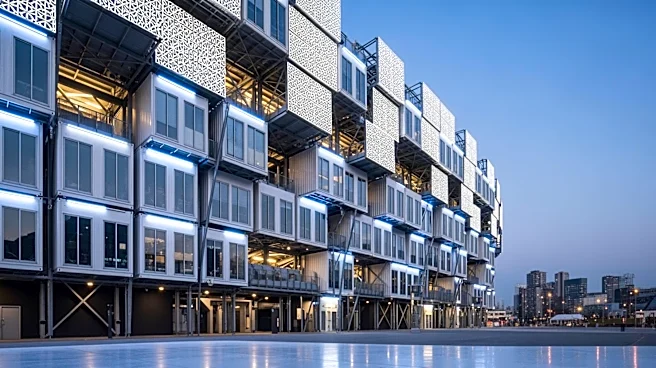










Stadium 974 in Doha, Qatar, is a groundbreaking example of how temporary structures can be utilized for global sporting events. Opened in 2021, this stadium was specifically built for the FIFA World Cup, with a focus on avoiding the common issue of underuse after the event concludes.
Addressing Post-Event Underuse
One of the primary motivations behind the construction of Stadium 974 was to address the issue of underuse that often follows major sporting events. Many host cities have
struggled with maintaining large stadiums that are no longer needed once the event is over. Stadium 974 offers a solution to this problem by being entirely dismantlable. This means that after the World Cup, the stadium can be taken apart and its components reused or repurposed elsewhere.
This approach not only saves resources but also ensures that the investment in infrastructure does not go to waste. By designing a stadium that can be easily dismantled, Qatar has demonstrated a commitment to sustainable event planning, setting a new standard for future host cities.
The Role of Innovation
The innovative use of shipping containers in the construction of Stadium 974 is a key factor in its temporary nature. These containers are not only a nod to Qatar's international dialing code but also serve practical purposes within the stadium. They house essential facilities such as restrooms and concession stands, making them an integral part of the stadium's functionality.
The modular design of the stadium allows for quick assembly and disassembly, making it an ideal solution for temporary events. This innovation in design reflects a broader trend in architecture towards sustainability and resource efficiency, particularly in the context of large-scale events.
A Model for Future Events
Stadium 974 serves as a model for future global events, demonstrating that temporary structures can be both functional and sustainable. By prioritizing dismantlability and reuse, Qatar has shown that it is possible to host major events without leaving a lasting environmental impact. This approach is particularly relevant in today's world, where sustainability is a growing concern.
As other countries look to host international events, the example set by Stadium 974 will likely influence future planning and design. By embracing temporary solutions, host cities can ensure that their investments are both economically and environmentally sound, paving the way for a more sustainable future in event hosting.