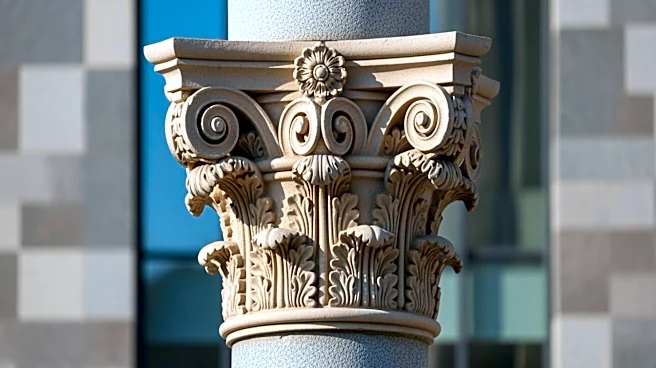









Madison, Wisconsin, is a city where architectural diversity meets historical significance. From the Beaux-Arts Wisconsin State Capitol to the modernist designs of Frank Lloyd Wright, Madison's skyline is a testament to its rich architectural heritage. This article delves into the city's notable buildings and the stories they tell.
The Wisconsin State Capitol
The Wisconsin State Capitol is a centerpiece of Madison's architectural landscape. Modeled after the United States Capitol,
its dome is a striking feature that dominates the city's skyline. Built between 1906 and 1917, the Capitol is a symbol of Madison's political importance and architectural grandeur. Its location on the high point of the isthmus ensures that it remains a focal point of the city.
The Capitol Square surrounding the building is a hub of activity, hosting events like the Dane County Farmers' Market and Concerts on the Square. This area reflects Madison's blend of urban sophistication and community engagement, making it a vital part of the city's identity.
Frank Lloyd Wright's Influence
Madison is home to several buildings designed by the renowned architect Frank Lloyd Wright. His first Usonian house, the Herbert and Katherine Jacobs First House, is a UNESCO World Heritage Site, showcasing Wright's innovative approach to residential design. Wright's influence extends to the Monona Terrace, a lakefront convention center that embodies his vision of integrating architecture with nature.
Wright's designs in Madison reflect his commitment to organic architecture, where buildings harmonize with their surroundings. This philosophy is evident in the city's architectural landscape, where modernist and prairie styles coexist with historical structures.
Art Deco and Modernist Styles
Madison's downtown features numerous examples of art deco and modernist architecture. The Quisling Terrace and Tenney Plaza are notable for their distinctive designs, while the State Office Building stands as a testament to the city's art deco heritage. These buildings contribute to Madison's eclectic architectural identity, blending historical elegance with contemporary innovation.
The city's commitment to preserving its architectural heritage is evident in its building height restrictions, ensuring that the Capitol remains visible from various vantage points. Madison's architectural diversity is a reflection of its historical evolution and cultural richness, making it a city where tradition and modernity coexist.