






Diners Club International, the pioneer of the credit card industry, has undergone significant changes in its card design and technology since its inception in 1950. This article traces the evolution of Diners Club cards, highlighting the transition from cardboard to plastic and the technological advancements that have shaped its offerings over the decades.
The Cardboard Beginnings
When Diners Club was founded in 1950, the concept of a charge card was revolutionary. The first
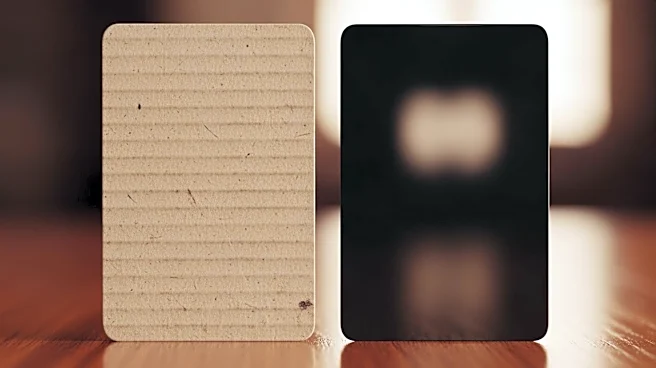
Diners Club card was a simple piece of cardboard, which cardholders used to pay for meals at participating restaurants. This initial design was straightforward, featuring the cardholder's name and a unique account number. The card was used in conjunction with a signature to authorize transactions.
The cardboard card was a novel idea at the time, providing a convenient payment method for consumers and a new revenue stream for participating establishments. However, as the popularity of Diners Club grew, so did the need for a more durable and secure card design. The limitations of the cardboard card, such as its susceptibility to wear and tear, prompted the company to explore new materials and technologies.
Transition to Plastic
In 1961, Diners Club introduced its first plastic card, marking a significant milestone in the company's history. The transition from cardboard to plastic not only improved the card's durability but also enhanced its security features. The plastic card was more resistant to damage and allowed for the inclusion of embossed information, such as the cardholder's name and account number.
The introduction of the plastic card coincided with a period of rapid growth for Diners Club. By the mid-1960s, the company had 1.3 million cardholders, and the plastic card became a symbol of prestige and convenience. The new design also facilitated the expansion of Diners Club's acceptance network, as more merchants were willing to adopt the improved card technology.
Technological Advancements
Over the years, Diners Club has continued to innovate and adapt to the changing landscape of payment systems. The company has embraced technological advancements, such as the integration of magnetic stripes and EMV chips, to enhance the security and functionality of its cards. These features have become standard in the industry, providing cardholders with added protection against fraud and unauthorized transactions.
In recent years, Diners Club has also incorporated contactless payment technology, allowing cardholders to make quick and secure transactions with a simple tap. This innovation reflects the company's commitment to staying at the forefront of the payment industry and meeting the evolving needs of its global customer base.
The evolution of Diners Club cards from cardboard to plastic and beyond demonstrates the company's dedication to innovation and customer satisfaction. As the payment landscape continues to evolve, Diners Club remains a key player, adapting its offerings to meet the demands of a digital world.