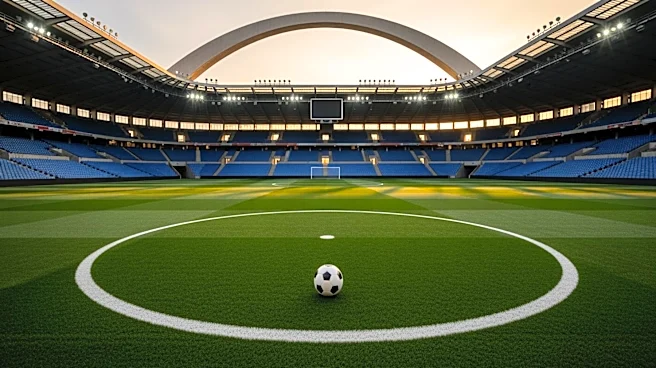


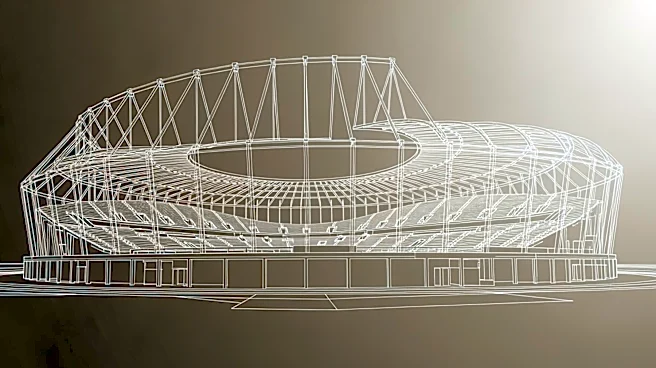

The Max-Morlock-Stadion in Nuremberg, Germany, is a testament to the rich history and evolution of sports venues. Opened in 1928, this stadium has undergone numerous transformations, reflecting the changing times and needs of its community. From its early days as a municipal stadium to its current status as a modern sports complex, Max-Morlock-Stadion has played a significant role in both local and international sports.
Early Beginnings and Architectural Recognition
The stadium was originally constructed
between 1926 and 1928, designed by architect Otto Ernst Schweizer. It was initially known as the Städtisches Stadion, or Municipal Stadium, and had a capacity of 37,000 spectators. The design of the stadium was so impressive that it received an award at the 1928 Summer Olympics in Amsterdam for its architectural quality. This early recognition set the stage for the stadium's future as a prominent sports venue.
During the 1930s, the stadium was used by the National Socialists for youth marches, marking a dark period in its history. However, after World War II, the stadium found new life as a sports venue for American soldiers stationed in Germany. This period of transition was crucial in redefining the stadium's purpose and setting the stage for its future developments.
Renovations and Modernization
The stadium has undergone several major renovations to keep up with the demands of modern sports. In the 1960s, its capacity was increased to 56,500 spectators, allowing it to host larger events. The 1988-1991 renovation was another significant milestone, preparing the stadium for the Bundesliga and other major football events.
In preparation for the 2006 FIFA World Cup, the stadium underwent a comprehensive modernization from 2002 to 2005, costing 56.2 million euros. This renovation included lowering the playing field to improve sightlines and expanding the grandstands to increase capacity. These changes not only enhanced the stadium's functionality but also solidified its status as a world-class sports venue.
Recent Developments and Future Prospects
In recent years, the stadium has continued to evolve. In 2017, it was officially named Max-Morlock-Stadion, honoring the legendary footballer Max Morlock. The stadium now boasts a capacity of 50,000 for league matches and 44,308 for international games, making it one of the largest in Germany.
Looking ahead, there are plans for further renovations to enhance the stadium's facilities and sustainability. These include environmental initiatives like rainwater collection and energy-efficient systems. As the stadium continues to adapt to modern needs, it remains a vital part of Nuremberg's cultural and sporting landscape, ready to host future generations of athletes and fans.