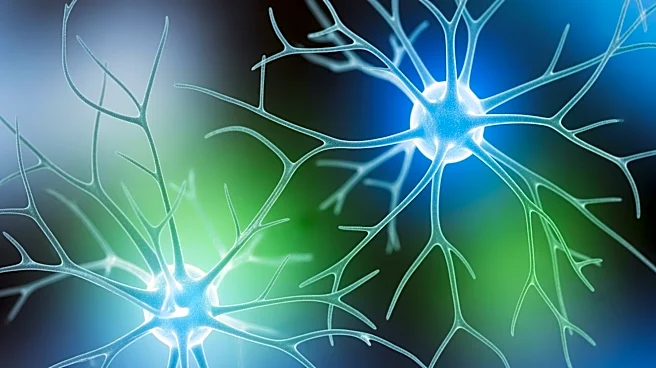









Neuroplasticity, the brain's ability to reorganize itself by forming new neural connections, plays a crucial role in rehabilitation and therapy. This adaptability is particularly important for individuals recovering from brain injuries or strokes, as it enables the brain to compensate for lost functions and regain abilities through targeted interventions.
The Role of Neuroplasticity in Recovery
Neuroplasticity is gaining popularity as a theory that explains improvements in functional outcomes
with physical therapy post-stroke. The brain's ability to reorganize and rewire its neural connections allows it to adapt and function in ways that differ from its prior state. This process can occur in response to learning new skills, experiencing environmental changes, or recovering from injuries.
Rehabilitation techniques that are supported by evidence suggesting cortical reorganization as the mechanism of change include constraint-induced movement therapy, functional electrical stimulation, treadmill training with body-weight support, and virtual reality therapy. These interventions leverage the brain's plasticity to promote recovery and improve functional outcomes.
Innovative Therapeutic Approaches
In addition to traditional rehabilitation techniques, innovative therapeutic approaches are emerging that harness the power of neuroplasticity. Robot-assisted therapy is an emerging technique that is hypothesized to work by way of neuroplasticity, though there is currently insufficient evidence to determine the exact mechanisms of change when using this method.
Another promising area of research involves the use of progesterone injections in brain-injured patients. Studies have shown that administration of progesterone after traumatic brain injury and stroke reduces edema, inflammation, and neuronal cell death, and enhances spatial reference memory and sensory-motor recovery. However, further research is needed to fully understand the potential benefits and limitations of this approach.
Implications for Future Research
The understanding of neuroplasticity has significant implications for future research and therapeutic practices. As researchers continue to explore the mechanisms underlying neuroplasticity, new treatments for learning and memory pathological conditions may emerge. Additionally, the concept of neuroplasticity is central to theories of memory and learning, as it is associated with experience-driven alteration of synaptic structure and function.
The potential for neuroplasticity to drive recovery and adaptation in the brain offers hope for individuals with brain injuries and neurological disorders. By leveraging the brain's inherent ability to change and adapt, rehabilitation and therapy can be tailored to meet the unique needs of each individual, ultimately improving their quality of life and functional outcomes.