





Avocado production has seen a significant rise in recent years, driven by increasing global demand for this nutrient-rich fruit. While avocados offer numerous health benefits, their cultivation has raised environmental and socio-economic concerns in major production regions.
Environmental Challenges
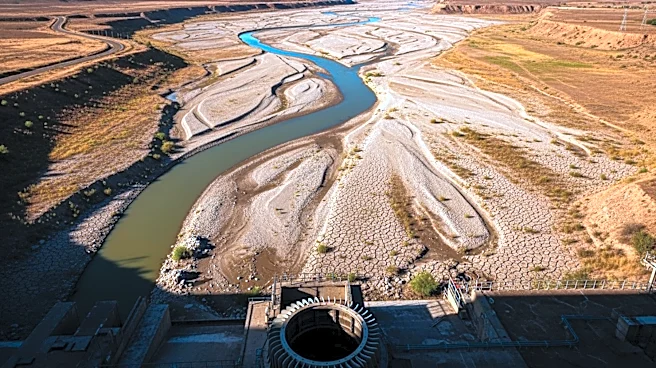
Avocado farms require substantial water resources, which can strain local supplies, particularly in arid regions. In Chile, Mexico, and California, the water demands of avocado
cultivation have led to disputes and concerns over sustainability. In Chile, large avocado growers have been reported to deplete groundwater and rivers faster than they can replenish, impacting local ecosystems.
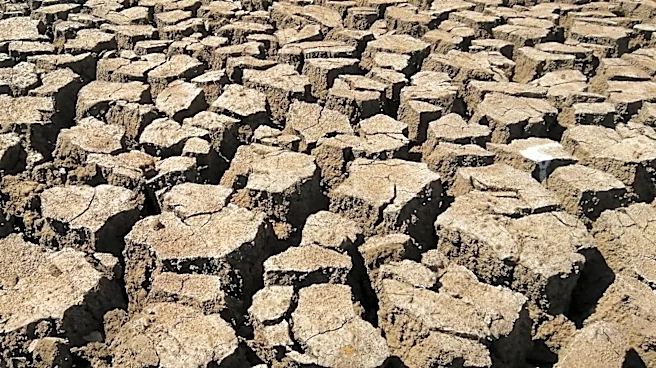
Global warming further exacerbates these challenges, with heat waves and droughts threatening suitable growing zones. As temperatures rise, avocado farms may face reduced yields and increased pressure on water resources, necessitating innovative solutions to ensure sustainable production.
Socio-Economic Impacts
In Mexico, the world's largest producer of avocados, the industry faces socio-economic challenges linked to organized crime. Drug cartels have been reported to extort protection fees from avocado farmers, leading to the term "blood guacamole" to describe the social effects of global demand. This situation highlights the complex interplay between agriculture and socio-political issues in the region.
Despite these challenges, avocado production remains a significant economic driver in many countries. In Peru, avocados have become a major export, with the country being the largest supplier to the European Union and the second largest to Asia and the United States. This growth has provided economic opportunities and increased international trade.
Innovations and Future Prospects
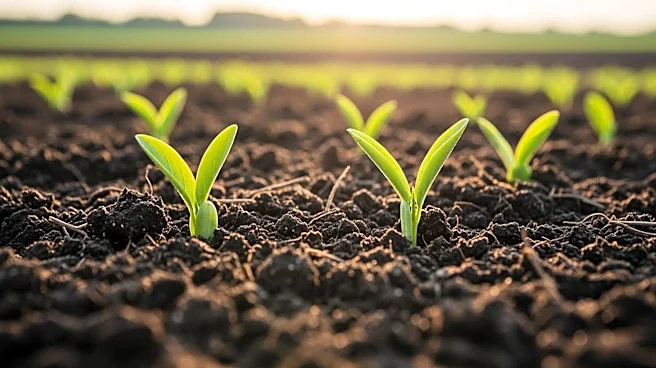
To address environmental concerns, innovations in avocado cultivation are being explored. Advances in breeding and propagation, such as grafting and cloning techniques, aim to improve yield and reduce resource consumption. These methods help preserve genetic diversity and ensure consistent fruit output.
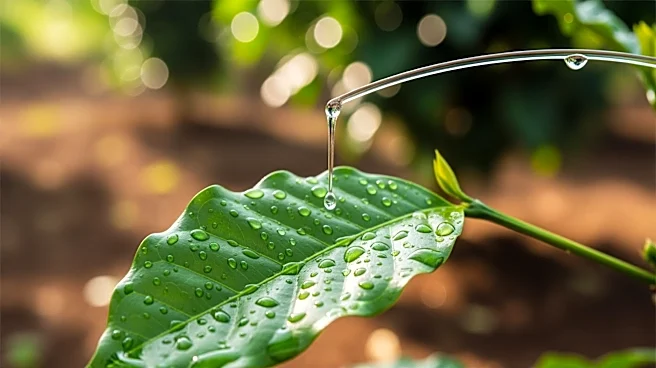
Efforts to improve water management and reduce deforestation are also underway, with some regions implementing sustainable practices to mitigate the impact of avocado farming. As the global demand for avocados continues to rise, balancing economic growth with environmental sustainability will be crucial.
Overall, the avocado industry presents both opportunities and challenges. While the fruit's popularity offers economic benefits, addressing the environmental and socio-economic impacts of its production is essential for a sustainable future. By adopting innovative practices and fostering international cooperation, the avocado industry can continue to thrive while minimizing its footprint.