


Nuts are not only a valuable food source for humans but also play a crucial role in ecosystems and wildlife. As fruits with hard shells, nuts provide essential nutrients and energy for various animal species, contributing to the balance and sustainability of natural habitats. This article explores the ecological significance of nuts and their interactions with wildlife.
Nuts as a Food Source for Wildlife
Nuts are a rich source of calories and nutrients, making them an important food
for wildlife. They supply unsaturated fats, vitamins, and essential amino acids, which are vital for the health and survival of many animal species. Animals such as squirrels, birds, and chipmunks rely on nuts as a primary food source, especially during the winter months when other food options are scarce.
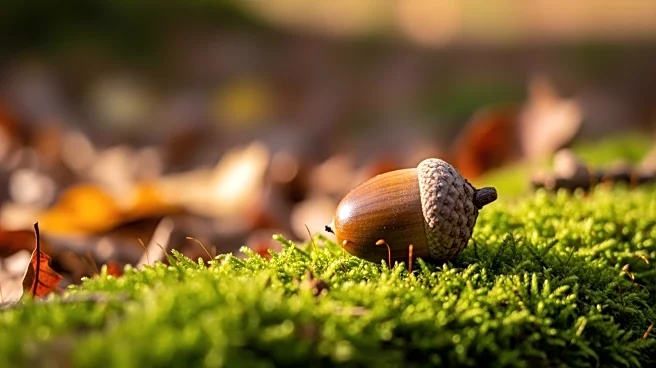
The hard shell of nuts protects the seed inside, ensuring that it remains viable until it is consumed or dispersed. This characteristic is crucial for the propagation of nut-producing plants, as animals often aid in seed dispersal by carrying nuts away from the parent plant and burying them in the ground.
Ecological Contributions of Nuts
Nuts contribute to the sustainability of ecosystems by supporting biodiversity. The presence of nut-producing plants attracts a variety of wildlife, creating a complex web of interactions that enhance the health and resilience of natural habitats. As animals consume nuts, they help disperse seeds, facilitating the growth of new plants and maintaining the balance of the ecosystem.
In addition to their role in seed dispersal, nuts also provide shelter and protection for certain species. The involucre, a cup-shaped structure formed from flower bracts, can offer a safe haven for insects and small animals, further enriching the biodiversity of the area.
Human Impact on Nut-Producing Ecosystems
Human activities can significantly impact nut-producing ecosystems. Deforestation, agriculture, and urban development can reduce the availability of nuts for wildlife, disrupting the balance of natural habitats. Conservation efforts are essential to protect these ecosystems and ensure the continued availability of nuts for both wildlife and human consumption.
By understanding the ecological importance of nuts, we can take steps to preserve and restore natural habitats, supporting the diverse species that rely on nuts for survival. Sustainable practices, such as responsible harvesting and habitat conservation, can help maintain the health and vitality of nut-producing ecosystems.