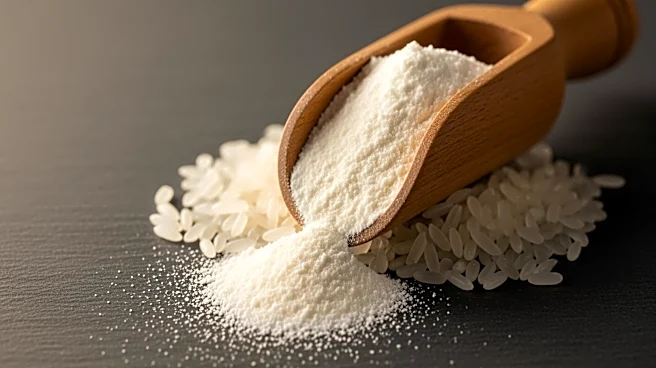




Rice flour is a versatile ingredient made from finely milled rice, distinct from rice starch. It serves as a common substitute for wheat flour and is used as a thickening agent in various recipes. This article delves into the different types of rice flour and the methods used to produce them, highlighting their unique characteristics and uses.
Types of Rice Flour
Rice flour can be made from various types of rice, including white rice, brown rice, and glutinous rice. Each
type of rice flour has its own distinct properties and uses. For instance, flour made from glutinous rice, also known as sweet rice flour, is particularly sticky and is used in making mochi and other chewy confections. In contrast, non-glutinous rice flour, made from regular white rice, is used in a variety of baked goods and as a thickening agent.
Brown rice flour, made from rice with only the inedible outer hull removed, retains more nutrients and has a slightly nutty flavor. It is often used in health-conscious recipes and gluten-free baking. Additionally, rice flour can be made from other rice varieties, such as black, red, and green rice, each imparting its own unique color and flavor to the flour.
Production Methods
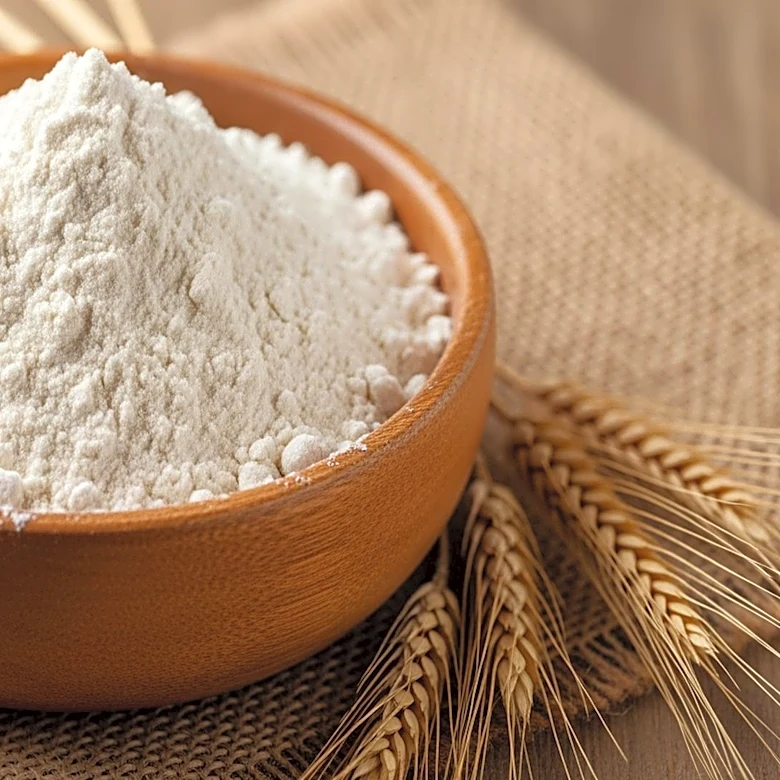
The production of rice flour involves removing the husk of the rice or paddy to obtain raw rice, which is then ground into flour. There are two primary milling methods: dry milling and wet milling. Dry-milled rice flour is made from dry rice grains and is the most common form, easily stored on a shelf. This method is widely used in Korea, where it is known as geonsik ssal-garu.
Wet-milled rice flour, on the other hand, is made from rice grains that have been soaked in water before milling. This method produces a flour that is more like moderately moist sand and is typically stored in the freezer. In the Philippines, wet-milled rice flour is made by soaking uncooked glutinous rice overnight, allowing it to slightly ferment before grinding it into a smooth dough known as galapóng.
Applications and Storage
The choice of rice flour type and production method can significantly impact the texture and flavor of the final product. Dry-milled rice flour is ideal for recipes that require a longer shelf life, while wet-milled flour is preferred for its unique texture in certain traditional dishes. Understanding these differences allows cooks to select the right type of rice flour for their culinary needs, ensuring the best results in their recipes.