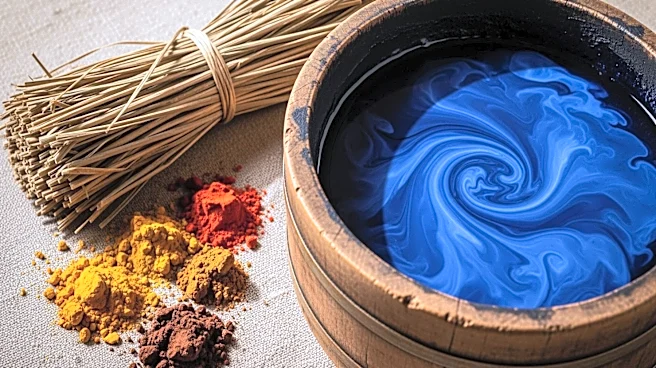







Dyeing, the art of adding color to textiles, has a rich history that dates back thousands of years. From the earliest use of natural dyes to the development of synthetic alternatives, the techniques and materials used in dyeing have evolved significantly. This article explores the historical journey of dyeing, highlighting key developments and innovations that have shaped the industry.
Ancient Beginnings
The practice of dyeing textiles can be traced back to the Neolithic
period. Early evidence of dyeing has been found in prehistoric caves, where dyed flax fibers were discovered. In ancient civilizations such as China and India, dyeing with plants, barks, and insects was a well-established practice over 5,000 years ago. These early dyes were primarily derived from natural sources, including roots, berries, and leaves.
In ancient Egypt, the use of dyes was documented in the Ebers Papyrus, which contained recipes for dyeing hair and textiles. The Egyptians used a variety of natural dyes, including indigo and madder, to achieve vibrant colors. Similarly, in ancient India, the use of madder and indigo was prevalent, and these dyes were traded extensively across Asia and Europe.
The Rise of Synthetic Dyes
The mid-19th century marked a significant turning point in the history of dyeing with the discovery of synthetic dyes. In 1856, English chemist William Henry Perkin accidentally discovered the first synthetic dye, mauveine, while attempting to synthesize quinine. This discovery revolutionized the dyeing industry, leading to the development of a wide range of synthetic dyes.
Synthetic dyes offered several advantages over natural dyes, including a broader range of colors and improved color fastness. The introduction of synthetic dyes also led to the decline of natural dye markets, as synthetic alternatives were more cost-effective and easier to produce on a large scale. By the late 19th century, synthetic dyes had largely replaced natural dyes in commercial textile production.
Modern Innovations
Today, the dyeing industry continues to evolve with advancements in technology and a growing emphasis on sustainability. Modern dyeing techniques have been developed to reduce water and energy consumption, as well as to minimize the environmental impact of dyeing processes. Waterless dyeing methods, for example, use carbon dioxide or other solutions to apply dyes without the need for large amounts of water.
Additionally, there is a renewed interest in natural dyes, driven by consumer demand for eco-friendly and sustainable products. Artisans and small-scale producers are exploring traditional dyeing techniques, using natural materials to create unique and vibrant colors. This resurgence of natural dyes reflects a broader trend towards sustainable practices in the fashion and textile industries.
The history of dyeing is a testament to human ingenuity and adaptability. From ancient natural dyes to modern synthetic innovations, the evolution of dyeing techniques continues to shape the way we color our world.