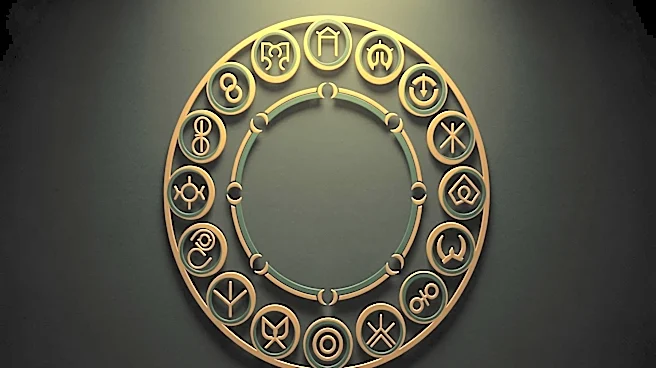




The sexagenary cycle, a traditional method of timekeeping, has left a lasting imprint on East Asian cultures. Known for its unique combination of Heavenly Stems and Earthly Branches, this cycle has been used historically to record both days and years. Its cultural significance and modern applications continue to influence various aspects of life in regions like China, Japan, Korea, and Vietnam.
Cultural Significance in East Asia
The sexagenary cycle is deeply embedded in the cultural
fabric of East Asian societies. Each term in the cycle consists of two Chinese characters, representing a combination of the ten Heavenly Stems and the twelve Earthly Branches. This system reflects the yin and yang properties, which are central to many East Asian philosophies and practices.
In Japan, the cycle was officially adopted in 604 AD, marking a significant cultural milestone. The Korean and Japanese traditions of celebrating the 60th birthday, known as hwangap and kanreki respectively, highlight the cycle's influence as a count of years. These celebrations are seen as a return to one's original birth year, symbolizing a full cycle of life.
Modern Applications and Relevance
Despite its ancient origins, the sexagenary cycle continues to hold relevance in modern times. It is still used in contemporary Chinese astrology and fortune-telling, where it plays a crucial role in determining auspicious dates and events. The cycle is also referenced in the names of many historical events, such as the Chinese Xinhai Revolution and the Japanese Boshin War.
In addition to its astrological applications, the cycle's structure has parallels in other calendrical systems, such as the Akan calendar. This demonstrates the universal appeal and adaptability of the sexagenary cycle, which has transcended its original cultural boundaries to influence other timekeeping systems.
The Cycle's Enduring Legacy
The sexagenary cycle's combination of two sub-cycles to generate a larger cycle is a testament to its complexity and sophistication. While it no longer plays a significant role in modern Chinese timekeeping or the official calendar, its cultural and historical significance remains undeniable.
The cycle's enduring legacy is evident in its continued use in various cultural practices and its influence on other calendrical systems. As a symbol of East Asian cultural heritage, the sexagenary cycle serves as a reminder of the rich history and traditions that continue to shape contemporary society.