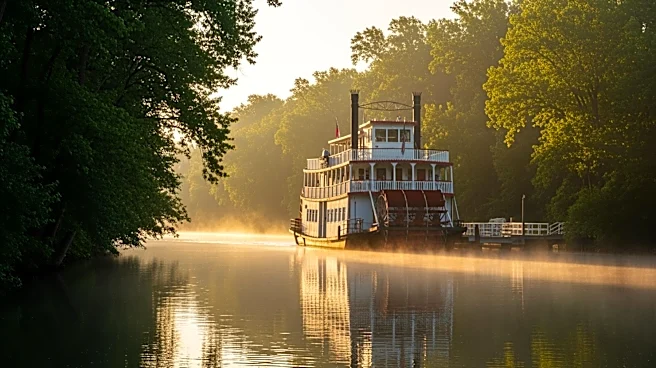





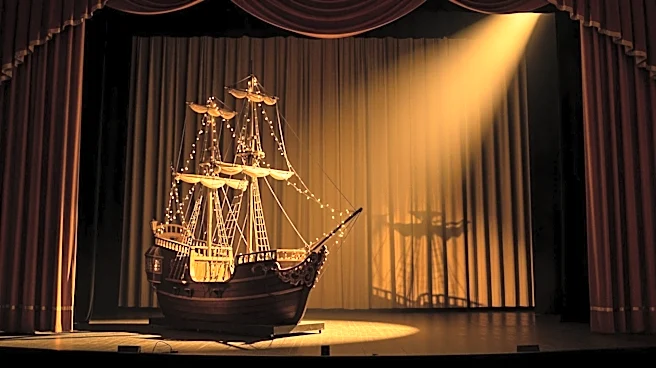

'Big River,' the musical adaptation of Mark Twain's 'Adventures of Huckleberry Finn,' has left a lasting impact on American musical theater. With its unique blend of bluegrass and country music, the musical not only entertained audiences but also addressed important social themes. This article explores the cultural and social impact of 'Big River' and its significance in the landscape of American theater.
A Unique Musical Style
One of the defining features of 'Big River'
is its musical style, which incorporates elements of bluegrass and country music. Composed by Roger Miller, the score reflects the setting and themes of Twain's novel, capturing the essence of the Mississippi River and the American South. This musical style was a departure from the more traditional Broadway sound, offering audiences a fresh and authentic experience.
The use of bluegrass and country music in 'Big River' not only enhanced the storytelling but also broadened the appeal of musical theater. It introduced audiences to a different genre of music, showcasing the versatility and diversity of American musical theater. This innovative approach helped 'Big River' stand out in a crowded field and contributed to its critical and commercial success.
Addressing Social Themes
'Big River' is more than just a musical adaptation of a classic novel; it is a work that addresses important social themes. Set in the antebellum South, the musical explores issues of race, freedom, and friendship. Through the journey of Huck Finn and Jim, the musical highlights the complexities of human relationships and the struggle for equality.
The portrayal of Jim, a runaway slave, and his friendship with Huck challenges audiences to reflect on the social injustices of the past and their relevance today. 'Big River' uses the power of music and storytelling to engage audiences in a dialogue about race and identity, making it a socially significant work in the canon of American musical theater.
Legacy and Influence
Since its debut in 1985, 'Big River' has continued to influence American musical theater. Its success demonstrated the potential for musicals to address serious social issues while still providing entertainment. The musical's innovative use of music and its exploration of complex themes have inspired subsequent productions to push the boundaries of traditional musical theater.
The 2003 revival of 'Big River,' which featured both deaf and hearing actors, further cemented its legacy as a groundbreaking work. By making the production accessible to a wider audience, the revival highlighted the importance of inclusivity in the arts. 'Big River' remains a testament to the power of musical theater to entertain, educate, and inspire change.