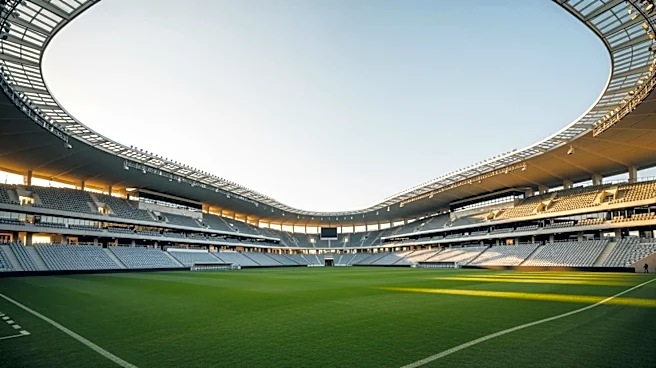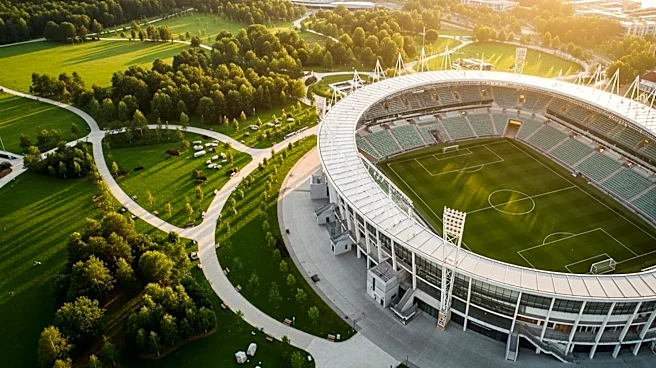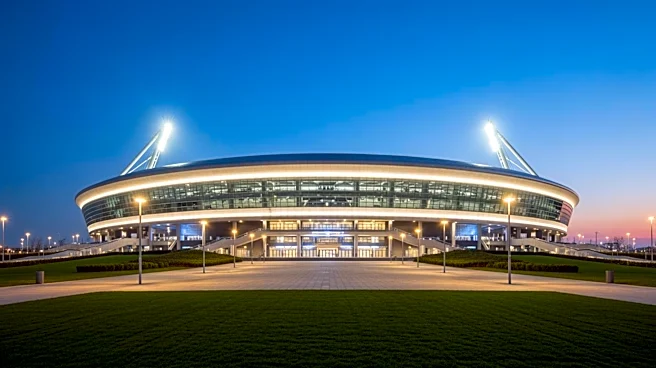

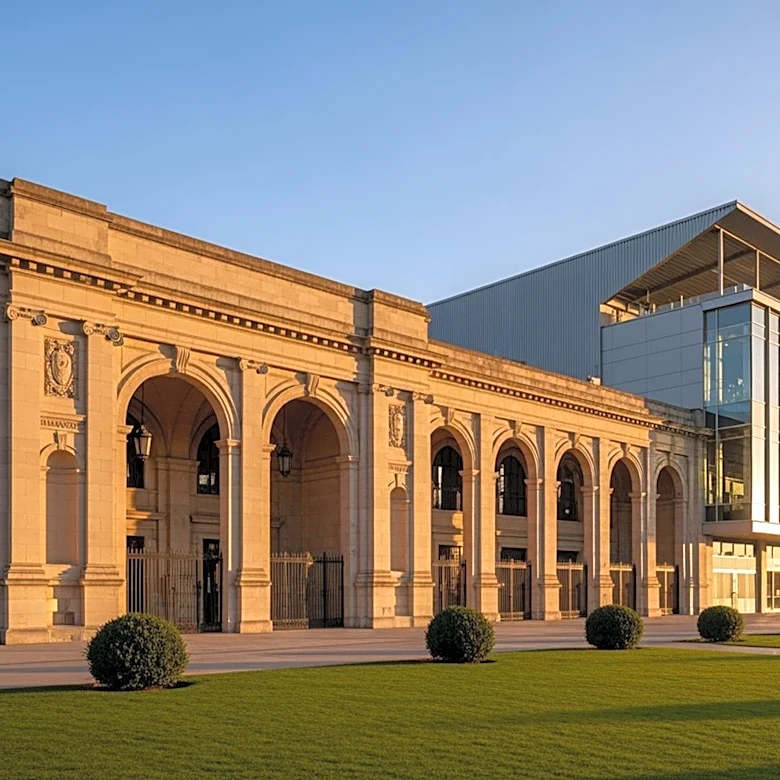
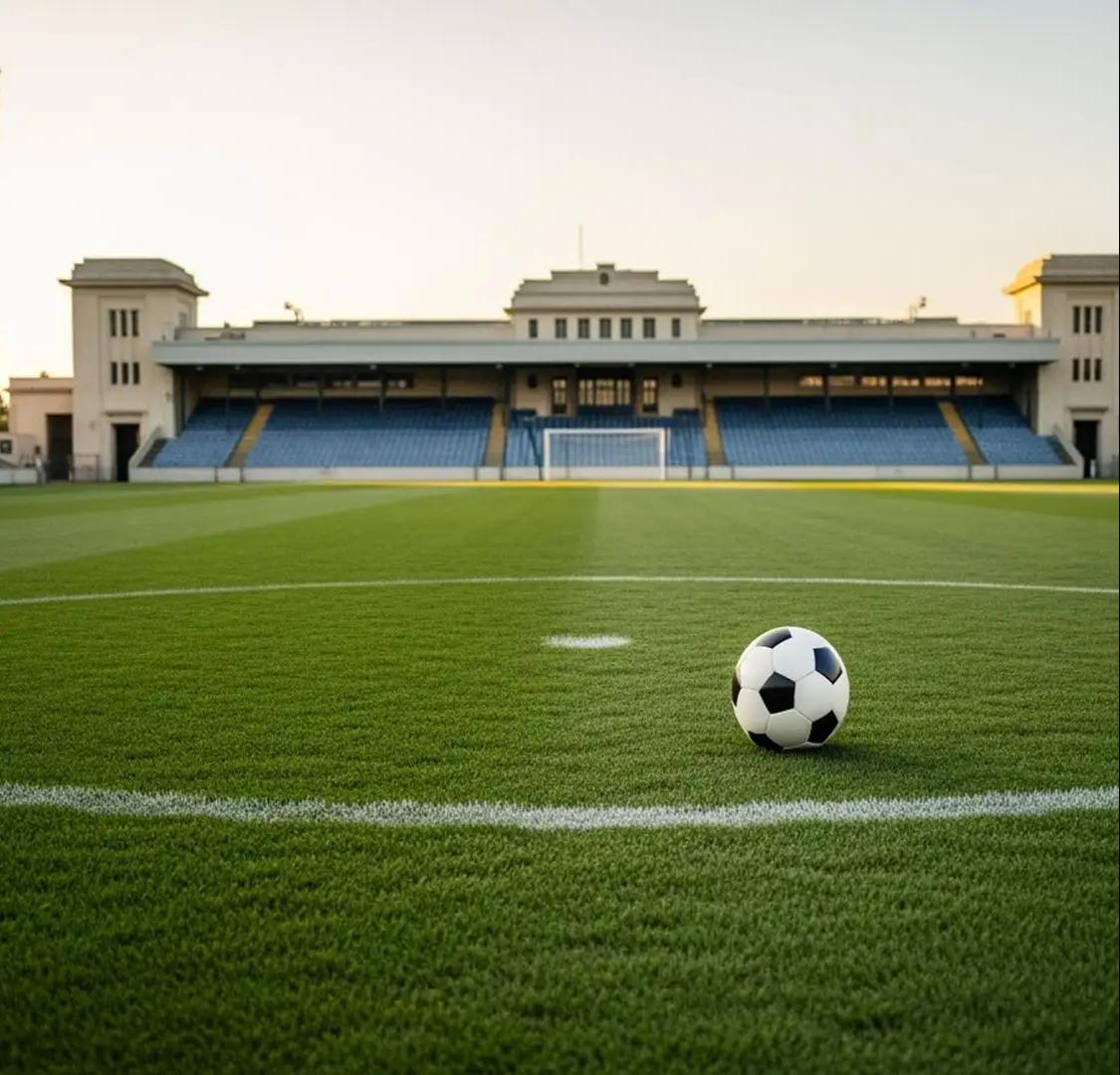




RheinEnergieStadion in Cologne, Germany, is not just a football stadium; it is a vibrant hub for sports and entertainment. Known for its rich history and modern facilities, the stadium hosts a variety of events that attract visitors from all over the world. This article delves into the stadium's role as a premier venue for both sports and entertainment.
A Premier Sports Venue
RheinEnergieStadion is primarily known as the home of 1. FC Köln, a prominent team in the Bundesliga,
Germany's top football league. The stadium's capacity of 50,000 makes it an ideal location for hosting major football matches, including Bundesliga games and international tournaments. Its modern facilities and strategic location in Cologne contribute to its reputation as a top-tier sports venue.
In addition to football, the stadium has hosted various other sporting events. Its proximity to the Radstadion Köln further enhances its appeal as a sports hub. The stadium's ability to accommodate large crowds and provide a high-quality experience for both athletes and spectators makes it a preferred choice for sports organizers.
Entertainment and Cultural Events
Beyond sports, RheinEnergieStadion serves as a venue for a wide range of entertainment and cultural events. Its modern design and amenities make it suitable for hosting concerts, festivals, and other large-scale gatherings. The stadium's versatility allows it to transform from a sports arena into a concert venue, attracting famous artists and performers from around the globe.
The stadium's location in Cologne, a city known for its vibrant cultural scene, further enhances its appeal as an entertainment venue. Visitors can enjoy a variety of events throughout the year, making RheinEnergieStadion a key player in the city's cultural landscape.
A Community Landmark
RheinEnergieStadion is more than just a venue; it is a community landmark that holds a special place in the hearts of locals and visitors alike. Its rich history and modern facilities make it a symbol of Cologne's commitment to sports and entertainment. The stadium's ability to host diverse events ensures that it remains a central part of the city's cultural and social life.
In conclusion, RheinEnergieStadion's role as a hub for sports and entertainment highlights its significance beyond just being a football stadium. Its ability to host a wide range of events makes it a vital part of Cologne's cultural and sporting identity.