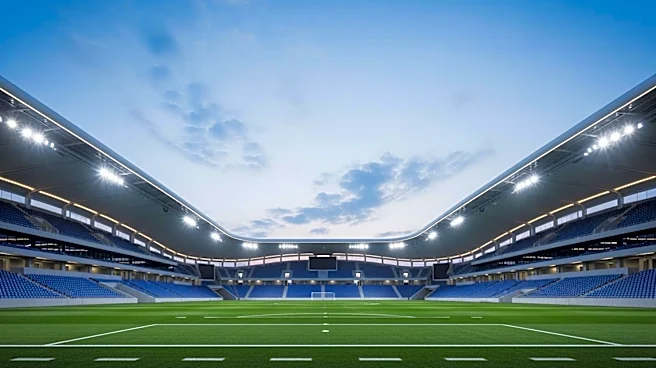





The Arena da Amazônia stands as a testament to modern architectural design and engineering in the heart of Manaus, Brazil. Built to host matches during the 2014 FIFA World Cup, this stadium replaced the historic Vivaldão and has since become a landmark in the city. Its construction was part of a broader effort to modernize Manaus and position it as a key player on the international stage.
Architectural Design and Features
The Arena da Amazônia was designed with both functionality and
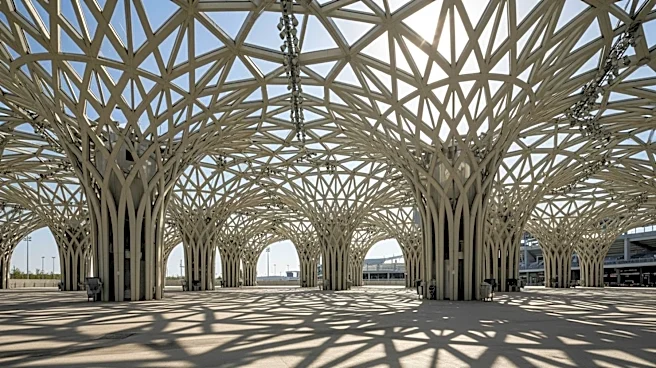
aesthetics in mind. With a seating capacity of 41,000, the stadium was built to accommodate large crowds while ensuring comfort and safety. The design incorporates elements that reflect the natural beauty of the Amazon rainforest, with a facade that mimics the intricate patterns of a woven basket.
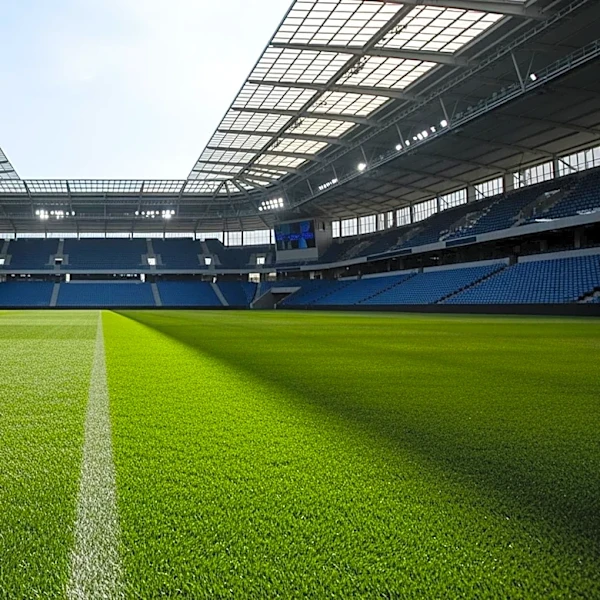
The stadium's roof is a standout feature, designed to provide shade and protection from the elements while allowing natural light to illuminate the interior. This design not only enhances the spectator experience but also reduces the need for artificial lighting, making the stadium more energy-efficient.
Inside, the Arena da Amazônia boasts state-of-the-art facilities, including modern locker rooms, press areas, and hospitality suites. These features ensure that the stadium can host a variety of events beyond football, from concerts to cultural festivals, making it a versatile venue for the city.
Construction and Investment
The construction of the Arena da Amazônia was a significant investment for Manaus, with approximately R$580,000,000 allocated to the project. This investment was not limited to the stadium itself but extended to the surrounding infrastructure, including improved transportation links and public amenities.
The project was part of a larger initiative to prepare Manaus for the 2014 FIFA World Cup, with the stadium serving as a centerpiece of the city's efforts. The construction process involved the demolition of the old Vivaldão stadium, which had been a fixture in the city since 1970. This transition marked a new chapter for Manaus, as it embraced modernity while preserving its rich cultural heritage.
Legacy and Impact
Since its completion, the Arena da Amazônia has become a symbol of progress and innovation in Manaus. It hosted four matches during the 2014 FIFA World Cup, bringing international attention to the city and boosting local tourism. The stadium continues to serve as a hub for sports and entertainment, contributing to the local economy and community.
In conclusion, the Arena da Amazônia is more than just a stadium; it is a modern marvel that reflects the spirit and ambition of Manaus. Its design and features make it a standout venue, while its impact on the city underscores the importance of investing in infrastructure and development.