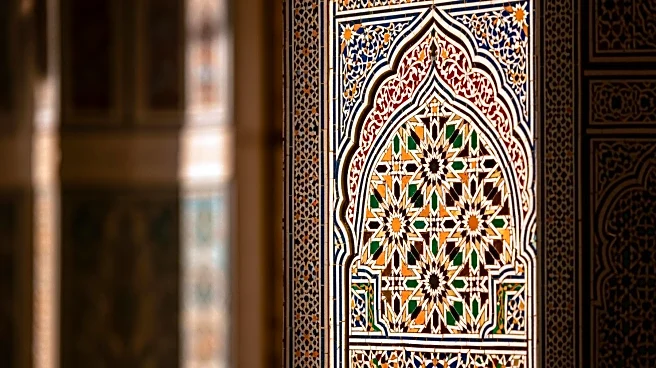

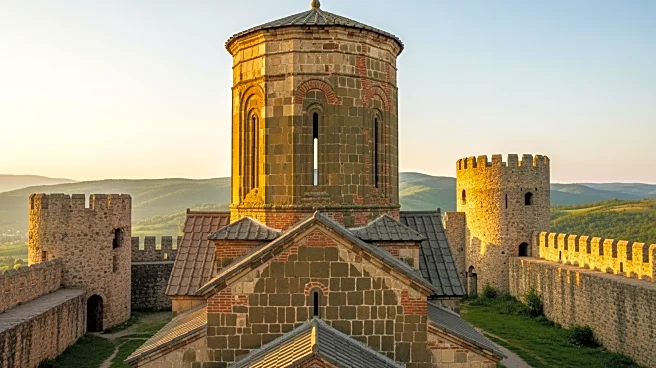
Morocco's rich cultural heritage and historical sites have long been a cornerstone of its tourism industry. With 60% of tourists visiting for its culture and heritage, Morocco offers a unique blend of ancient Roman and Islamic sites, vibrant cities, and diverse landscapes. This article delves into the significance of cultural heritage in attracting tourists to Morocco and how it shapes the country's tourism strategy.
Ancient Cities and Historical Landmarks
Morocco is home to several ancient
cities that serve as major tourist attractions. Fez, once the capital city, boasts the world's oldest continuously functioning university, the University of Al Quaraouiyine, founded in 859. The city is renowned for its two old medina quarters, with Fes el Bali being a UNESCO World Heritage Site. Visitors are drawn to Fez for its historical significance and well-preserved architecture, earning it nicknames like the "Mecca of the West" and the "Athens of Africa."
Marrakesh, another popular destination, offers a taste of Morocco's history and culture. The city's Majorelle botanical garden, once owned by fashion designer Yves Saint-Laurent, is a major attraction. Marrakesh's old city walls and the Koutoubia Mosque are also significant landmarks that attract tourists seeking to explore Morocco's Islamic heritage.
UNESCO World Heritage Sites
Morocco is home to nine UNESCO World Heritage Sites, each offering a glimpse into the country's rich history. El Jadida, formerly known as Mazagan, is recognized for its blend of European and Moroccan cultures and Renaissance ideals. The city's Portuguese cistern and Manueline Church of the Assumption are notable attractions.
The ancient fortified city of Aït-Benhaddou is another UNESCO site, famous for its mud-brick kasbahs and historical significance. Despite damage from rainstorms, the village remains a popular tourist destination and has served as a backdrop for several films, including Lawrence of Arabia and Gladiator.
The Role of Cultural Tourism in Economic Growth
Cultural tourism plays a vital role in Morocco's economy, contributing significantly to foreign exchange earnings. The government's focus on promoting cultural heritage has attracted millions of tourists, boosting the country's economic growth. Investments in preserving historical sites and promoting cultural events have enhanced Morocco's appeal as a tourist destination.
As Morocco continues to develop its tourism industry, cultural heritage remains a key focus. The government's efforts to preserve and promote historical landmarks ensure that Morocco's rich cultural tapestry continues to attract visitors from around the world. With ongoing investments in infrastructure and marketing, cultural tourism will remain a pillar of Morocco's economic success.