







Silicone has become an integral part of the automotive industry, thanks to its unique properties that enhance the performance and safety of modern vehicles. From lubricants to gaskets, silicone's versatility and durability make it a key material in automotive applications. This article explores the various ways silicone is used in the automotive sector and its impact on vehicle design and functionality.
Silicone as a Lubricant and Sealant
In the automotive world, silicone is widely used
as a lubricant for brake components. Its stability at high temperatures and resistance to water make it an ideal choice for ensuring the smooth operation of braking systems. Silicone-based lubricants are less likely to foul compared to other types, providing reliable performance under demanding conditions.
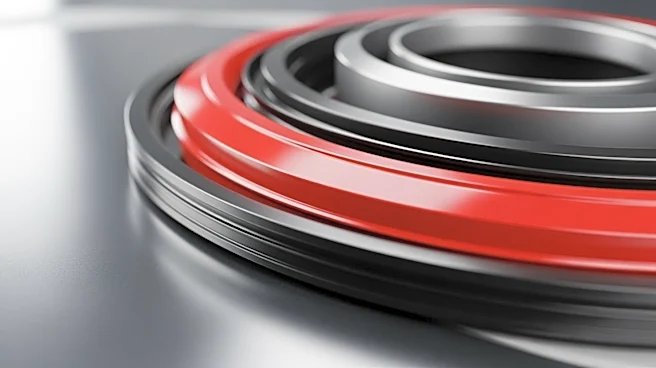
Silicone is also used as a sealant in various automotive applications. Its ability to form watertight seals makes it perfect for use in gaskets and caulks, preventing leaks and ensuring the integrity of vehicle components. Silicone's resistance to extreme temperatures and environmental factors further enhances its effectiveness as a sealant, contributing to the longevity and reliability of automotive systems.
Insulation and Protection
Silicone's electrical insulation properties are another reason for its widespread use in the automotive industry. Silicone-insulated spark plug wires prevent electrical misfires by ensuring that sparks do not jump to adjacent wires. This insulation is crucial for maintaining the efficiency and performance of the vehicle's ignition system.
Additionally, silicone is used to protect various automotive components from environmental damage. Its resistance to UV light, ozone, and oxidation makes it an excellent choice for external gaskets and trim. By protecting these components from the elements, silicone helps maintain the vehicle's appearance and functionality over time.
Enhancing Safety and Performance
Silicone's role in the automotive industry extends beyond lubrication and insulation. It is also used in the construction of airbags, where its high strength and flexibility make it an optimal adhesive and sealant. This ensures that airbags deploy effectively in the event of a collision, enhancing passenger safety.
Furthermore, silicone's ability to withstand high temperatures and pressures makes it suitable for use in engine gaskets and seals. By maintaining a tight seal under extreme conditions, silicone helps improve engine performance and efficiency, contributing to the overall reliability of the vehicle.
In conclusion, silicone's unique properties make it an indispensable material in the automotive industry. Its versatility, durability, and ability to enhance safety and performance continue to drive its adoption in modern vehicle design.