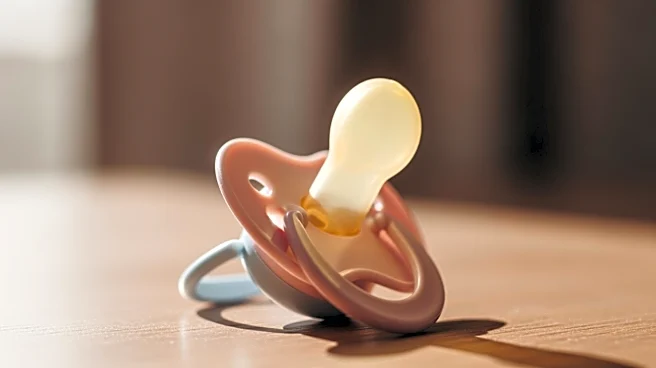





Pacifiers are more than just a tool for soothing infants; they hold cultural significance and are known by various names across different regions. This article explores the cultural impact of pacifiers and the diverse terminology used to describe them in different parts of the world.
Cultural Significance of Pacifiers
Pacifiers have become an integral part of infant care, providing comfort and relief to babies and parents alike. Their use is deeply embedded in cultural practices, reflecting
societal attitudes towards child-rearing and comfort. In many cultures, pacifiers are seen as essential items for newborns, helping to calm them and satisfy their natural sucking reflex.
The cultural acceptance of pacifiers varies, with some societies embracing them wholeheartedly, while others express concerns over their potential drawbacks. For instance, in the early 20th century, pacifiers were associated with poorer classes and criticized for hygiene issues. Despite these concerns, pacifiers have maintained their popularity due to their effectiveness in soothing infants.
Regional Variations in Naming
The terminology used to describe pacifiers varies significantly across regions, reflecting cultural differences and linguistic diversity. In American English, pacifiers are commonly referred to as "binky" or "nookie." In contrast, Australian and British English use the term "dummy," which is standard in these regions.
Canadian English refers to pacifiers as "soothers," while in informal Scots, they are known as "dokey." In Hiberno-English, the term "dodie" is used. These variations highlight the cultural nuances and regional preferences in naming pacifiers.
The Influence of Language and Culture
The diverse names for pacifiers are not just linguistic differences; they also reflect cultural attitudes towards infant care. The choice of terminology can influence perceptions of pacifiers, shaping how they are viewed and used within a community. For example, the term "soother" emphasizes the calming effect of pacifiers, while "dummy" may imply a substitute for something else.
Understanding these regional variations provides insight into the cultural significance of pacifiers and their role in child-rearing practices. As pacifiers continue to be a staple in infant care, their varied names serve as a reminder of the rich cultural tapestry that surrounds them.
Pacifiers are more than just a practical tool; they are a cultural phenomenon with diverse names and meanings across the globe. By exploring these regional variations, we gain a deeper appreciation for the cultural impact of pacifiers and their role in shaping infant care practices.