



The 1946 Baseball Hall of Fame induction was a landmark event, with 11 players being honored for their contributions to the sport. This group, elected by the Old Timers Committee, included some of the most influential figures in early 20th-century baseball. Their induction not only recognized their individual achievements but also highlighted the rich history of the game during that era. This article explores the careers and legacies of these 11 inductees
and their lasting impact on baseball.
Notable Inductees and Their Achievements
Among the 11 players inducted in 1946 were Jesse Burkett, Frank Chance, and Ed Walsh, each of whom left a significant mark on the game. Jesse Burkett, a left fielder, was known for his impressive batting average and ability to hit over .400 twice in his career. His 240 hits in 1896 set a 19th-century record, and his career total of 2,850 hits was second only to Cap Anson at the time of his retirement.
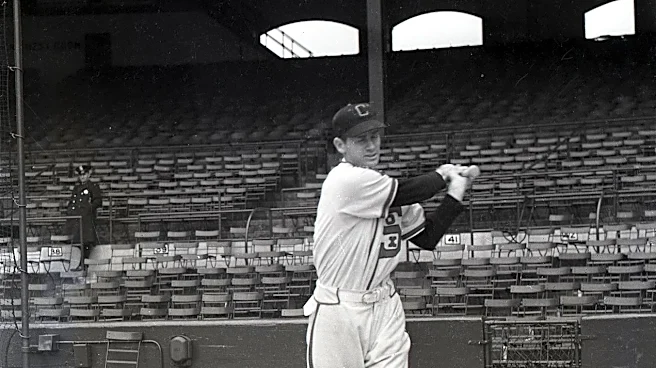
Frank Chance, the "Peerless Leader," was a first baseman and manager for the Chicago Cubs. Under his leadership, the Cubs won four pennants in five seasons, including a record 116 games in 1906. Chance was renowned for his strategic acumen and remains the only first baseman to steal 400 bases. His contributions to the Cubs' success cemented his legacy as one of baseball's great leaders.
The Influence of Pitchers in the 1946 Class
The 1946 induction class also included several standout pitchers, such as Ed Walsh, Jack Chesbro, and Rube Waddell. Ed Walsh, a spitball pitcher, holds the record for the lowest career ERA in major league history at 1.82. His dominance on the mound was a key factor in the Chicago White Sox's 1906 World Series victory.
Jack Chesbro, another spitball pitcher, achieved a modern record of 41 wins in 1904. His ability to consistently win games made him a formidable opponent during his career. Rube Waddell, known for his unpredictable nature, was a left-handed pitcher who set numerous strikeout records. His 349 strikeouts in 1904 remained a record for many years, showcasing his exceptional talent.
Legacy and Recognition
The 1946 inductees were celebrated for their contributions to baseball, both on and off the field. Many of these players were pioneers in their respective positions, setting standards that future generations would strive to meet. Their induction into the Hall of Fame served as a testament to their enduring impact on the sport.
The recognition of these players also highlighted the importance of honoring baseball's history and the individuals who shaped it. By acknowledging the achievements of players from the early 20th century, the Hall of Fame ensured that their legacies would be remembered and celebrated for years to come. The 1946 induction class remains a significant chapter in the history of baseball, reflecting the game's evolution and the enduring influence of its early stars.