



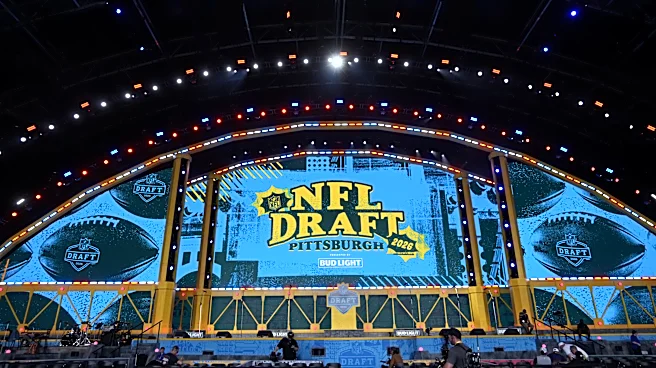
The 2003 NFL Draft was a significant event in the world of professional football, marked by the selection of several players who would go on to have impactful careers. This draft included notable names such as Carson Palmer and Charles Rogers, and it was a year that saw teams making strategic choices that would shape their futures. The draft also featured the supplemental draft, a mechanism introduced to address player eligibility issues, adding another
layer of complexity to the selection process.
Key Players of the 2003 NFL Draft
Carson Palmer was one of the standout selections of the 2003 NFL Draft. As a quarterback, Palmer was picked first overall by the Cincinnati Bengals, a decision that would prove to be pivotal for the team. His career in the NFL was marked by strong performances and leadership on the field, making him a valuable asset to the Bengals and later teams he played for.
Another significant player from the 2003 draft was Charles Rogers, selected by the Detroit Lions. Rogers was a wide receiver with high expectations placed upon him. His selection was seen as a strategic move by the Lions to bolster their offensive capabilities. Despite the promise he showed, Rogers' career was marred by injuries and other challenges, highlighting the unpredictable nature of draft picks.
The Supplemental Draft and Its Impact
The 2003 NFL Draft also included the supplemental draft, a process introduced after 1992 to address player eligibility issues. This draft allows teams to select players who did not enter the regular draft due to various reasons, such as academic or disciplinary matters. The Houston Texans made a notable pick in the supplemental draft by selecting Tony Hollings, a decision that added depth to their roster.
The supplemental draft is unique in that it operates under a different set of rules compared to the regular draft. Teams submit bids for players, and the highest bid wins the rights to the player, with the team forfeiting a corresponding pick in the next regular draft. This mechanism provides teams with an opportunity to acquire talent that might otherwise be unavailable.
Strategic Decisions and Their Outcomes
The 2003 NFL Draft was a year of strategic decisions, with teams carefully considering their picks to build competitive rosters. The draft order, determined by the previous season's records, allowed teams with poorer performances to select top talent, aiming to improve their standings.
For the Detroit Lions, selecting Charles Rogers was a move to enhance their offensive lineup. However, the unpredictability of player performance and external factors such as injuries can significantly impact the success of draft picks. The Lions' experience with Rogers serves as a reminder of the risks involved in drafting players.
Overall, the 2003 NFL Draft was a pivotal event that showcased the complexities and strategic considerations involved in building a successful NFL team. The choices made during this draft continue to influence the league, highlighting the importance of careful planning and evaluation in the drafting process.