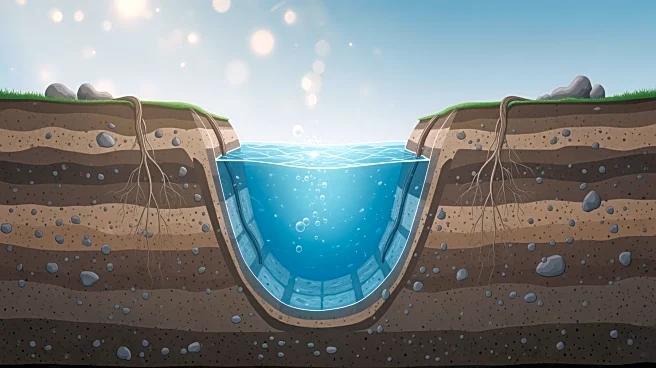




Aquifers are a critical component of the global water supply, providing fresh water for agricultural, industrial, and domestic use. These underground reservoirs are found worldwide, each with unique characteristics that influence their capacity and sustainability. This article examines the role of aquifers in different regions and the challenges they face in meeting the growing demand for water.
Aquifers Around the World
Aquifers are found in various geological formations across
the globe, each contributing to the water supply in their respective regions. For instance, the Ogallala Aquifer in the United States is one of the world's largest, providing water for irrigation and drinking to millions of people. Similarly, the Guarani Aquifer in South America is a significant source of fresh water for countries like Argentina, Brazil, Paraguay, and Uruguay.
In Africa, aquifer depletion is a concern, particularly in northern regions where projects like Libya's Great Manmade River rely heavily on groundwater. In Australia, the Great Artesian Basin is a vital water source, supporting remote communities and industries. These examples highlight the diverse roles aquifers play in sustaining life and economic activities across different continents.
Challenges Facing Aquifers
Despite their importance, aquifers face numerous challenges that threaten their sustainability. Overdrafting, or extracting groundwater beyond the equilibrium yield, is a significant issue, leading to problems like land subsidence and reduced water quality. In coastal areas, increased water usage can lower the water table, resulting in saltwater intrusion and contamination of freshwater supplies.
Pollution is another concern, as contaminants from agricultural and industrial activities can seep into aquifers, compromising water quality. Additionally, climate change and population growth exacerbate these challenges by increasing demand and altering precipitation patterns, making it difficult for aquifers to recharge naturally.
Sustainable Management of Aquifers
To ensure the long-term viability of aquifers, sustainable management practices are essential. This includes monitoring groundwater levels, regulating extraction rates, and implementing conservation measures. In some regions, artificial recharge techniques, such as injecting surface water during wet periods, have been employed to extend the life of aquifers.
Public awareness and policy changes are also crucial in promoting sustainable water use. Encouraging efficient irrigation methods, reducing water waste, and protecting recharge areas can help mitigate the pressures on aquifers. By adopting these strategies, we can safeguard these vital resources for future generations.
In summary, aquifers are indispensable to the global water supply, supporting diverse needs across different regions. However, they face significant challenges that require concerted efforts to manage and protect them sustainably. By understanding the role of aquifers and addressing the issues they face, we can ensure a reliable water supply for the future.