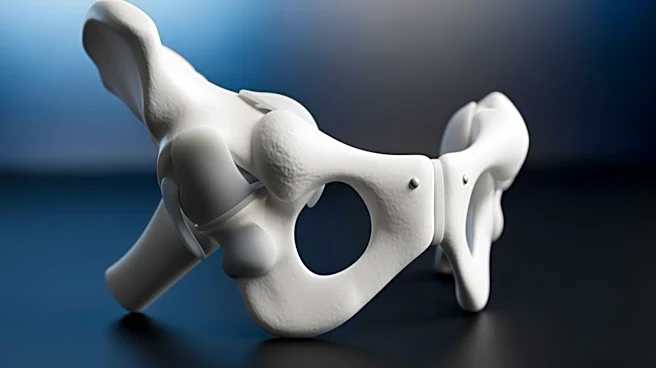
Hip dysplasia is a condition that affects the hip joint, where the socket does not fully cover the ball portion, leading to an increased risk of dislocation. This condition can occur at birth or develop in early life, and it is more common in females than males. While it often goes unnoticed in infants, it can lead to complications such as arthritis, limping, and low back pain if left untreated. Early detection and treatment are crucial for managing
the condition effectively.
Symptoms and Risk Factors
Hip dysplasia may not show symptoms in babies under a year old, but occasionally, one leg may appear shorter than the other. The left hip is more frequently affected than the right. Risk factors include being female, having a family history of the condition, certain swaddling practices, and breech presentation during birth. If one identical twin is affected, there is a 40% chance the other will be as well. Screening all newborns through physical examination is recommended, and ultrasonography can be useful in diagnosis.
Diagnosis and Treatment
Diagnosis of hip dysplasia involves a physical exam and may include ultrasound imaging. In mild cases, the condition may resolve without specific treatment. However, more significant cases detected early can be managed with bracing. If diagnosed later, surgery and casting might be necessary. About 7.5% of hip replacements are performed to address issues arising from hip dysplasia. Early intervention is key to a good prognosis, as untreated cases can lead to severe complications.
Long-term Management and Prognosis
Long-term management of hip dysplasia focuses on preventing arthritis and maintaining mobility. While no treatment can fully prevent arthritis, early detection and intervention can delay its onset. In some cases, hip replacement or osteotomy may be required to correct misalignment and improve joint function. The condition's history dates back to at least the 300s BC, indicating its long-standing presence in medical literature. With advancements in medical technology and understanding, outcomes for those with hip dysplasia have improved significantly.