






Aquarium heaters are essential devices for fishkeepers, ensuring that the water temperature in aquariums remains suitable for the aquatic life within. These heaters are particularly important for tropical freshwater and marine aquariums, where maintaining a stable temperature is crucial for the health of the fish. This article delves into the various types of aquarium heaters and their specific functions, providing a comprehensive understanding of how
they work to maintain optimal conditions in aquariums.
Glass Immersion Heaters
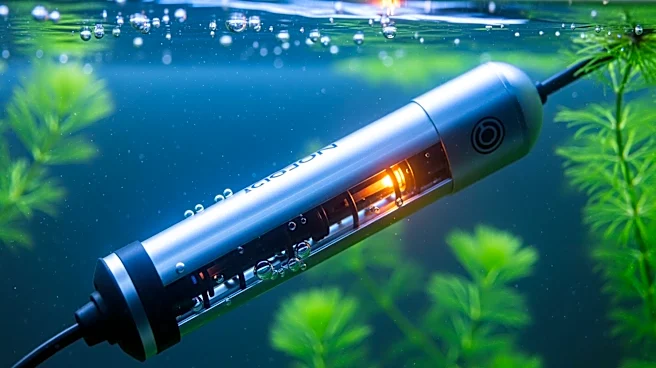
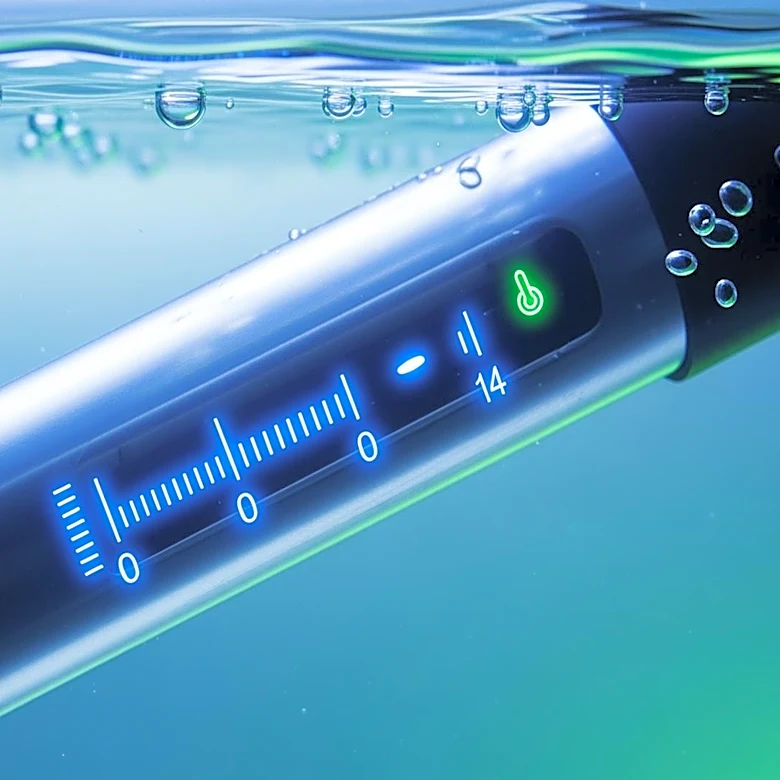
The most common type of aquarium heater is the glass immersion heater. These heaters consist of a glass tube that houses a heating element, which is typically wound around a ceramic or glass insert. Some models also contain sand, and most are fully submersible, allowing them to be placed directly in the water. The glass tube includes an adjustable thermostat, often a bimetallic strip, which regulates the heating element to maintain the desired temperature. This strip bends as the temperature changes, breaking the current when the correct temperature is reached. More advanced models may use microchip technology for more precise temperature control.
Glass immersion heaters are versatile and can be used in both small and large aquariums. In larger setups, multiple heaters may be employed to ensure even temperature distribution and to provide a backup in case one heater fails. This redundancy is particularly beneficial in maintaining a stable environment for the aquarium's inhabitants.
Undergravel Heating
Another method of heating aquariums is through undergravel heating. This involves a flexible heating cable that is buried beneath the aquarium substrate. Undergravel heating is especially popular in heavily planted aquariums, as it promotes root growth and helps maintain a consistent temperature throughout the substrate. This method of heating is less visible than immersion heaters, providing a cleaner aesthetic for aquariums where appearance is a priority.
While undergravel heating can be effective, it requires careful installation to ensure even heat distribution. The cables must be arranged in a way that prevents hot spots and ensures that the entire substrate is warmed evenly. This type of heating is best suited for aquarists who are experienced in setting up and maintaining complex aquarium systems.
Undertank Heating Mats
Aquarium heating can also be achieved using heating mats placed beneath the aquarium. These mats provide a constant source of heat, which is transferred through the glass bottom of the tank. However, glass is a poor conductor of heat, which can reduce the efficiency of this method. Despite this limitation, heating mats are a convenient option for aquarists who prefer not to have visible heating elements inside the tank.
Heating mats are often used in conjunction with other heating methods to provide additional warmth or to maintain a specific temperature gradient within the aquarium. They are particularly useful in setups where space is limited, or where the aesthetic of the aquarium is a primary concern. As with other heating methods, it is important to monitor the temperature closely to ensure the safety and well-being of the aquarium's inhabitants.