
Cockatiels, known scientifically as Nymphicus hollandicus, are small parrots native to Australia. They are part of the cockatoo family and are renowned for their distinctive features and sociable nature.
This article delves into the unique characteristics that make cockatiels stand out among other parrot species.
Distinctive Physical Features
One of the most recognizable features of cockatiels is their expressive crest. This crest is not just for show; it serves as an indicator of the bird's emotional state. When a cockatiel is startled or excited, its crest stands dramatically vertical. In a relaxed state, the crest is gently oblique, and when the bird is angry or defensive, the crest flattens close to the head. This ability to express emotions through their crest is a unique trait among birds.
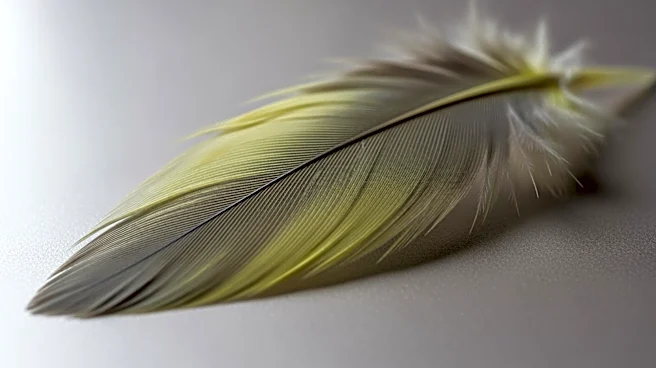
In addition to their crest, cockatiels have long tail feathers that make up about half of their total length, which ranges from 12 to 13 inches. This feature distinguishes them from most other cockatoos, which are generally larger. The normal grey cockatiel, the original color mutation, has primarily grey plumage with prominent white flashes on the wings. Males typically have yellow or white faces, while females have grey or light grey faces, both featuring a round orange patch on their cheeks.
Behavioral Traits
Cockatiels are known for their sociable and friendly nature, making them popular as companion parrots. They are often seen in pairs or small flocks in the wild, and their social behavior extends to their interactions with humans. Cockatiels can be very vocal and are capable of learning to mimic spoken words and phrases. Males are generally more vocal and have a wider range of calls compared to females.
Their vocal abilities are not limited to speech; cockatiels can also be taught to sing specific melodies. Some have even been known to synchronize their melodies with human songs. This ability to mimic sounds and songs is a testament to their intelligence and adaptability.
Color Variations and Mutations
Cockatiels exhibit a wide range of color mutations, with 22 established in aviculture worldwide. These mutations have resulted in various colors, some quite different from those observed in nature. The pied mutation, for example, first appeared in California in 1949 and is characterized by a blotch of color on an otherwise solid-colored bird. Other notable mutations include the lutino, cinnamon, and pearl, each offering a unique appearance.
These color variations are a result of genetic mutations that have been selectively bred in captivity. The diversity in color and pattern among cockatiels adds to their appeal as pets, allowing owners to choose birds that match their aesthetic preferences.