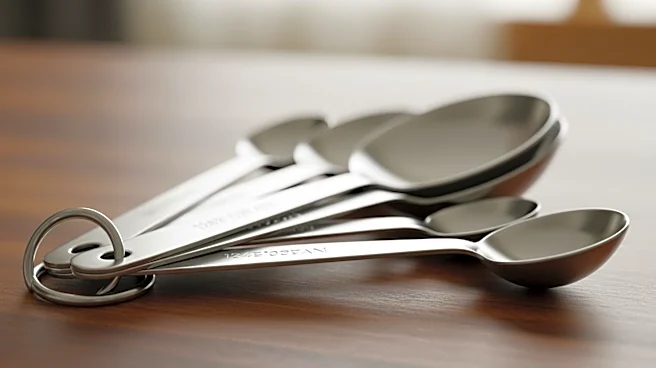

Measuring cups are a staple in kitchens around the world, serving as essential tools for both amateur cooks and professional chefs. These utensils are primarily used to measure the volume of liquid or bulk
solid cooking ingredients, such as flour and sugar. However, their utility extends beyond just cooking, making them a versatile addition to any household. This article delves into the various uses of measuring cups, highlighting their importance in both culinary and non-culinary contexts.
Measuring Ingredients Accurately
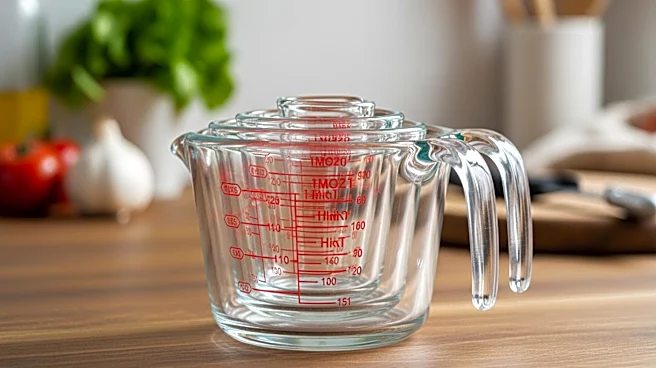
In the realm of cooking, measuring cups are indispensable for ensuring that recipes are followed accurately. They are particularly useful for measuring volumes from about 50 mL (approximately 2 fluid ounces) upwards. This precision is crucial in baking, where the correct ratio of ingredients can make or break a dish. Measuring cups often come with scales marked in cups and fractions of a cup, and sometimes even with fluid measure and weight for a selection of dry foodstuffs. This allows cooks to measure ingredients with precision, ensuring that their culinary creations turn out as intended.
Measuring cups are available in various materials, including plastic, glass, and metal. Transparent or translucent cups can be read from an external scale, while metal ones require a dipstick or an internal scale. This variety allows users to choose the type that best suits their needs, whether they prioritize durability, ease of reading, or microwave safety.
Beyond the Kitchen: Other Uses
While measuring cups are primarily associated with cooking, they also find use in other areas of the household. For instance, they are commonly used to measure washing powder, liquid detergents, and bleach for clothes washing. This versatility makes them a valuable tool for maintaining household cleanliness and organization.
In addition to their practical uses, measuring cups can also serve educational purposes. They can be used to teach children about measurements and fractions, providing a hands-on learning experience that can make abstract concepts more tangible. This educational aspect adds another layer to their utility, making them a useful tool for both parents and educators.
The Importance of Accurate Measurements
Accurate measurements are crucial in many aspects of life, and measuring cups play a vital role in achieving this accuracy. In cooking disciplines such as baking, where precise measurements are essential, measuring cups help ensure that ingredients are used in the correct proportions. This precision is not only important for the success of a recipe but also for maintaining consistency in taste and texture.
Moreover, using measuring cups to measure bulk foods that can be compressed, such as chopped vegetables or shredded cheese, can lead to large measurement uncertainties. In such cases, measuring by weight is often recommended. However, for many everyday tasks, measuring cups provide a convenient and reliable method for achieving accurate measurements.
In conclusion, measuring cups are versatile tools that extend beyond their primary function in the kitchen. Their ability to measure a wide range of substances accurately makes them indispensable in both culinary and non-culinary contexts, highlighting their importance in everyday life.