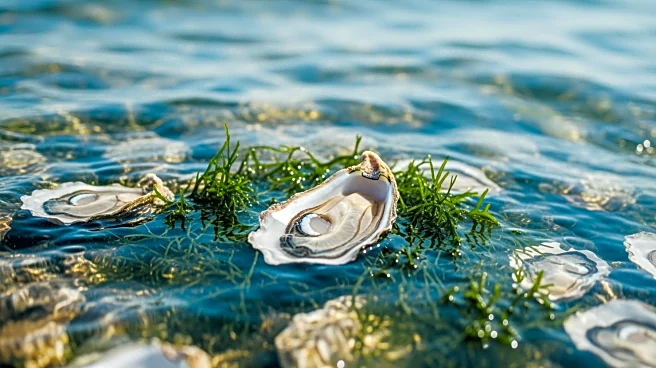

Shellfish farming, also known as aquaculture, plays a significant role in the global seafood industry. It provides a sustainable source of protein and supports local economies. However, like any form of agriculture,
shellfish farming has environmental impacts that can be both beneficial and detrimental. This article examines the environmental effects of shellfish farming, highlighting its potential to contribute to ecosystem restoration and the challenges it faces.
Positive Environmental Contributions
One of the most notable benefits of shellfish farming is its potential to improve water quality. Shellfish, such as oysters and mussels, are filter feeders that remove suspended particles and contaminants from the water. This natural filtration process can enhance water clarity and quality, benefiting other marine organisms and ecosystems. By reducing nutrient levels, shellfish farming can help mitigate the effects of eutrophication, a process that leads to excessive algae growth and oxygen depletion in water bodies.
Additionally, shellfish farming can contribute to habitat restoration. Shellfish reefs provide essential habitat for various marine species, offering shelter and breeding grounds. These reefs can also protect shorelines from erosion by buffering wave action and stabilizing sediments. In some regions, shellfish farming initiatives have been integrated into conservation efforts to restore degraded marine habitats and promote biodiversity.
Challenges and Negative Impacts
Despite its benefits, shellfish farming can also pose environmental challenges. Unsustainable practices, such as overharvesting and habitat destruction, can harm local ecosystems. For example, shrimp farming has been linked to the destruction of mangrove forests, which serve as critical coastal habitats. It is essential to implement sustainable farming practices to minimize these negative impacts and ensure the long-term viability of shellfish populations.
Another concern is the potential for shellfish farms to introduce invasive species. Non-native shellfish species can outcompete local populations, disrupting the balance of marine ecosystems. Careful management and monitoring are necessary to prevent the spread of invasive species and protect native biodiversity.
Balancing Benefits and Risks
To maximize the environmental benefits of shellfish farming while minimizing its risks, it is crucial to adopt sustainable practices. This includes selecting appropriate sites for farms, using environmentally friendly materials, and implementing effective waste management strategies. Collaboration between farmers, scientists, and policymakers can help develop best practices and guidelines for sustainable shellfish aquaculture.
Public awareness and education are also vital in promoting sustainable shellfish farming. By understanding the environmental impacts and benefits, consumers can make informed choices and support responsible producers. Encouraging sustainable practices in the industry can lead to healthier ecosystems and a more resilient seafood supply.
In conclusion, shellfish farming has the potential to positively impact the environment through water filtration and habitat restoration. However, it also presents challenges that require careful management and sustainable practices. By balancing the benefits and risks, shellfish farming can contribute to a healthier and more sustainable future for our oceans.