


Powdered milk, a staple in many households and industries, is not only valued for its convenience and long shelf life but also for its nutritional benefits. This article explores the nutritional composition of powdered milk, its health implications, and its role in various dietary applications. From amino acids to vitamins and minerals, powdered milk offers a range of nutrients essential for a balanced diet.
Nutritional Composition of Powdered Milk
Powdered milk is rich in essential nutrients,
making it a valuable addition to many diets. It contains all 21 standard amino acids, which are the building blocks of proteins. These amino acids are crucial for various bodily functions, including muscle repair and immune system support.
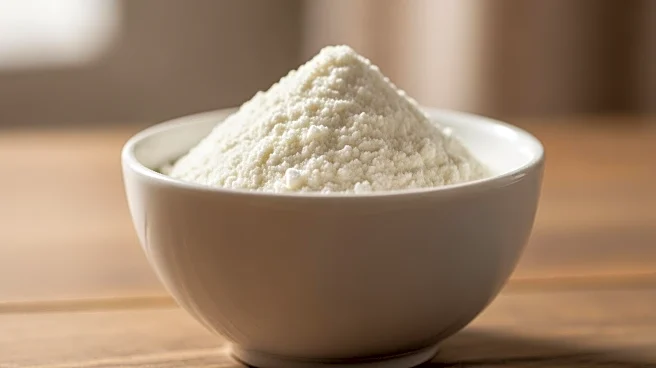
In addition to proteins, powdered milk is high in soluble vitamins and minerals. Nonfat dry milk, for example, typically contains 36% protein, 52% carbohydrates (predominantly lactose), 1.3% calcium, and 1.8% potassium by weight. Whole milk powder, on the other hand, contains 25-27% protein, 36-38% carbohydrates, 26-40% fat, and 5-7% ash (minerals).
Health Implications of Powdered Milk
The nutritional profile of powdered milk makes it a beneficial component of many diets. Its high protein content supports muscle growth and repair, while the presence of calcium and potassium contributes to bone health and proper muscle function. The vitamins and minerals in powdered milk also play a role in maintaining overall health and well-being.
However, it is important to consider the potential health implications of consuming powdered milk. Commercial milk powders may contain oxysterols, which are oxidized cholesterol derivatives. These compounds, produced by free radicals or enzymes, have been suspected of initiating atherosclerotic plaques. While the levels of oxysterols in powdered milk are higher than in fresh milk, they are still significantly lower than those found in powdered eggs.
Dietary Applications of Powdered Milk
Powdered milk is a versatile ingredient used in various dietary applications. It is commonly used in the manufacture of infant formula, providing essential nutrients for growing infants. In baking, powdered milk adds a caramelized, toasty flavor to goods due to the Maillard reaction, enhancing the taste and texture of baked products.
Additionally, powdered milk is a popular choice for those seeking nonperishable, easy-to-prepare food options. It is frequently included in UN food aid supplies, fallout shelters, and survival kits. Its long shelf life and nutritional benefits make it a practical choice for individuals and organizations alike.
In conclusion, powdered milk is a nutritional powerhouse that offers a range of benefits for various dietary needs. Its rich composition of proteins, vitamins, and minerals makes it a valuable addition to many diets, while its versatility and convenience ensure its continued popularity.