




Night baseball has had a profound impact on American culture, transforming the way fans experience the game and making it more accessible to a broader audience. This article explores the cultural significance of night baseball, highlighting how it changed the dynamics of the sport and its role in American society.
Making Baseball Accessible to Working Families
Before the advent of night baseball, games were typically played during the day, limiting attendance to those who could afford to take time
off work. The introduction of night games in the 1930s changed this dynamic, allowing working families to attend games after work hours. This shift not only increased attendance but also broadened the fan base, making baseball a more inclusive sport.
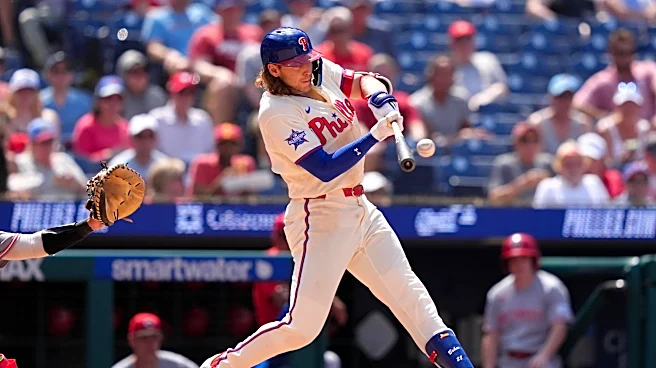
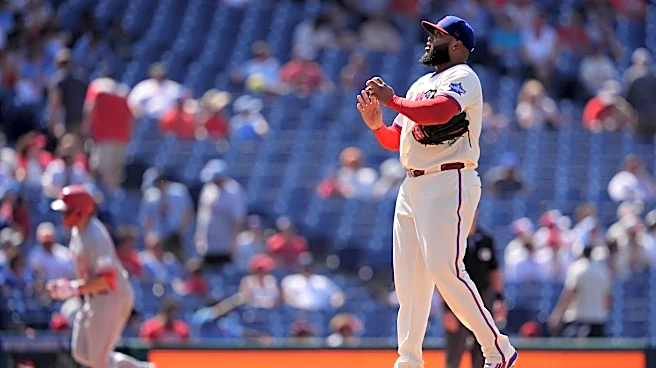
The first night game in Major League Baseball took place on May 24, 1935, when the Cincinnati Reds played the Philadelphia Phillies. The success of this game demonstrated the potential for night baseball to attract larger crowds, as it provided an opportunity for more people to enjoy the sport. As night games became more common, they helped solidify baseball's place as America's pastime, accessible to fans from all walks of life.
The Social Experience of Night Games
Night baseball games offered a new social experience for fans, creating a vibrant atmosphere under the lights. The novelty of playing under artificial lighting added an element of excitement and spectacle to the games, drawing in fans who might not have attended otherwise. The communal experience of attending a night game became a cherished part of American culture, with families and friends gathering to enjoy the sport together.
The popularity of night games also led to the creation of new traditions and rituals, such as evening tailgating and post-game celebrations. These social aspects of night baseball contributed to its cultural significance, as it became more than just a sporting event but a social gathering that brought communities together.
Night Baseball's Lasting Legacy
The introduction of night baseball had a lasting impact on the sport and American culture. It paved the way for other sports to adopt night games, further expanding the accessibility and appeal of athletic events. The success of night baseball also demonstrated the potential for sports to adapt and evolve, ensuring their continued relevance in a changing society.
Today, night games are a staple of Major League Baseball, with most teams playing the majority of their games under the lights. This shift has not only changed the way baseball is played and watched but has also left an indelible mark on American culture, making the sport more inclusive and accessible to all.