


Electric power is a vital component of modern society, representing the rate at which electrical energy is transferred by an electric circuit. Measured in watts, electric power is essential for the functioning of homes, businesses, and industries. This article explores the generation, transmission, and consumption of electric power.
Generation of Electric Power
Electric power is typically generated by electric generators, which convert mechanical energy into electrical energy.
This process can be driven by various sources, including heat engines, geothermal power, nuclear fission, flowing water, and wind. Photovoltaic solar panels also contribute to electricity generation by converting sunlight into electrical energy.
The generation of electric power is the first step in delivering electricity to consumers. Power stations play a crucial role in this process, producing electricity that is then transmitted and distributed through the electrical grid. This infrastructure ensures that electric power reaches homes and businesses efficiently.
Transmission and Distribution
Once generated, electric power is transmitted over long distances through transmission lines. These lines carry high-voltage electricity from power stations to substations, where the voltage is reduced for distribution to consumers. The electric power industry is responsible for maintaining this grid and ensuring reliable delivery of electricity.
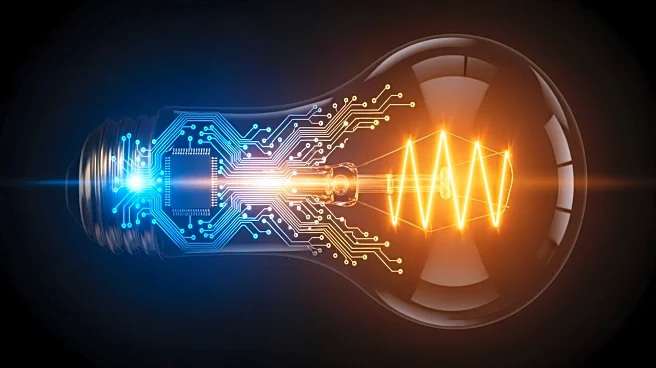
Electric power can be delivered for various applications, including motion, light, and heat. The efficiency of transmission and distribution systems is critical for minimizing energy losses and ensuring that consumers receive the power they need.
Consumption of Electric Power
Electric power is consumed by a wide range of devices and systems, from household appliances to industrial machinery. The consumption of electric power is measured in terms of wattage, which represents the rate at which electrical energy is used. Devices with higher wattage ratings consume more power and are typically more energy-intensive.
In homes, electric power is used for lighting, heating, cooling, and operating appliances. In industries, electric motors drive manufacturing machinery, and electric arc furnaces are used in steel production. The consumption of electric power is closely linked to a country's industrial development, with higher per capita consumption indicating greater industrial activity.
Overall, electric power is a crucial resource that underpins modern life. Understanding its generation, transmission, and consumption is essential for managing energy resources and ensuring sustainable development.