





Treadmills have become a cornerstone of modern fitness, offering a convenient and effective way to engage in cardiovascular exercise. Their popularity has soared over the years, making them the best-selling exercise equipment category worldwide. This article delves into the features and benefits of treadmills in contemporary fitness, highlighting their versatility and widespread use.
Features of Modern Treadmills
Modern treadmills are designed to provide a comprehensive workout
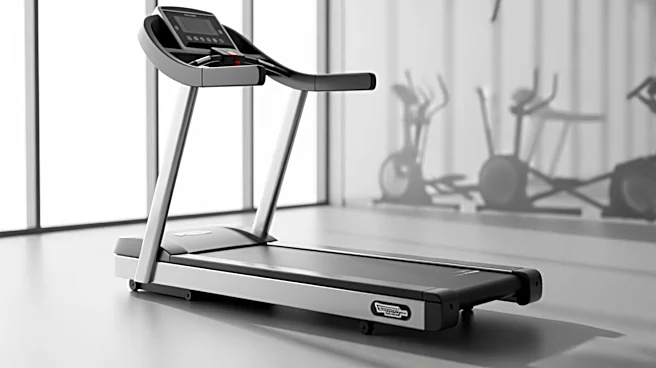
experience, catering to various fitness levels and goals. They typically feature a moving platform with a wide conveyor belt driven by an electric motor or flywheel. The belt moves to the rear, requiring users to walk or run at a speed matching the belt, allowing for controlled and measured exercise.
Treadmills come in two main types: motor-driven and manual. Motor-driven treadmills are more expensive and heavy-duty, powered by electric motors that offer adjustable speed and incline settings. Manual treadmills, on the other hand, are simpler and lighter, moving only when walkers push the belt with their feet. These treadmills provide resistance to motion, making them a cost-effective option for those seeking a basic workout.
Benefits of Treadmill Exercise
Treadmills offer numerous benefits that make them a popular choice for fitness enthusiasts. One of the primary advantages is the ability to exercise indoors, regardless of weather conditions. This convenience allows users to maintain a consistent workout routine without being affected by external factors.
Additionally, treadmills provide a cushioned surface that reduces impact compared to outdoor running, minimizing the risk of injury. Many treadmills feature incline settings, enabling users to simulate uphill training and target different muscle groups. The ability to track progress, such as distance, calories burned, and heart rate, further enhances the workout experience.
Treadmills in Medical and Rehabilitation Settings
Beyond fitness, treadmills play a crucial role in medical and rehabilitation settings. Medical treadmills are class IIb active therapeutic devices used for diagnosis and treatment. They deliver mechanical energy to the human body through the moving running belt, aiding in rehabilitation and recovery.
These treadmills are often equipped with safety harnesses, unweighting systems, and robotic orthotic systems to support patients during exercise. They can be connected to medical devices like ECGs and blood pressure monitors, forming comprehensive systems for stress tests and cardiopulmonary rehabilitation. Treadmills are invaluable tools in helping patients regain mobility and improve their overall health.
In conclusion, treadmills have become an integral part of modern fitness and medical practices. Their versatility, convenience, and effectiveness make them a staple in gyms, homes, and healthcare facilities, catering to a wide range of users and needs.