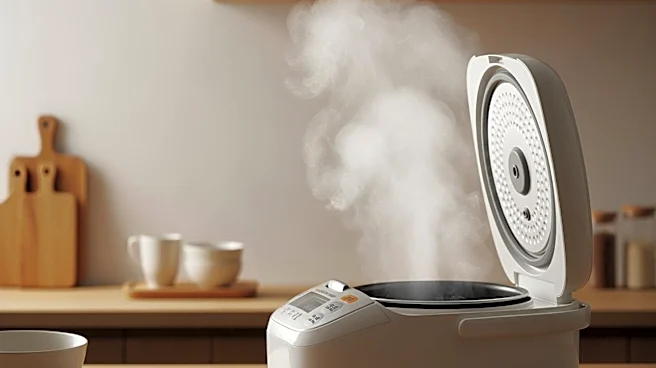



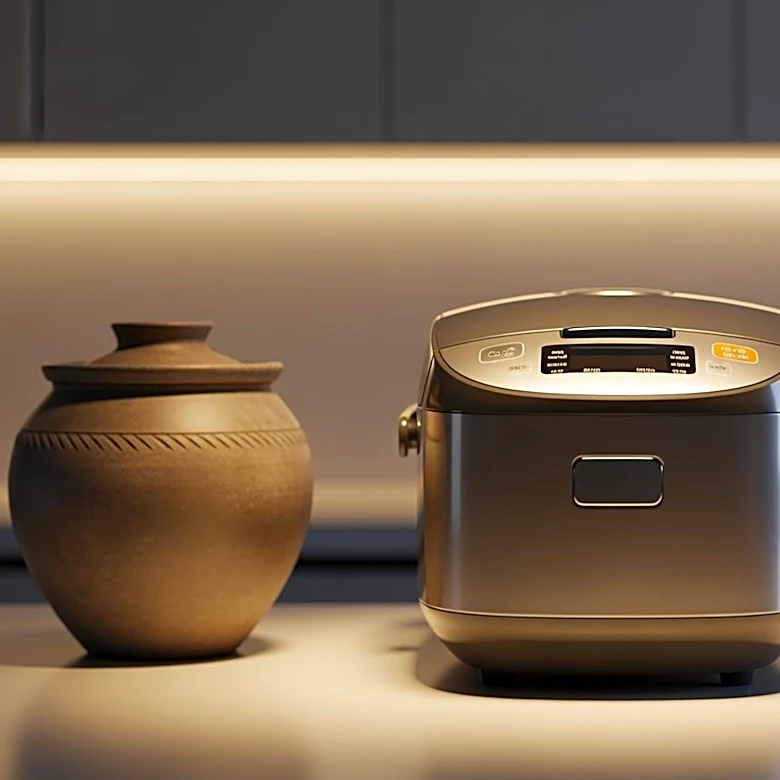



Rice cookers are more than just kitchen appliances in Japan; they hold cultural and social significance that reflects the country's culinary traditions and societal changes. From their role in daily life to their impact on women's liberation, rice cookers have become an integral part of Japanese culture. This article delves into the cultural importance of rice cookers in Japan.
A Staple in Japanese Households
In Japan, rice cookers are known as suihanki, which translates to "boil-rice-device."
These appliances are a staple in Japanese households, simplifying the process of cooking rice, a fundamental component of Japanese cuisine. The introduction of automatic electric rice cookers in the 1950s revolutionized rice cooking, making it more convenient and efficient.
The widespread adoption of rice cookers in Japan was driven by their ability to consistently produce perfectly cooked rice, a crucial aspect of Japanese meals. By 1960, rice cookers were present in about half of all Japanese households, underscoring their importance in daily life. The convenience offered by these appliances allowed families to focus on other aspects of meal preparation, enhancing the overall culinary experience.
Impact on Women's Liberation
The advent of automatic rice cookers had a significant impact on Japanese society, particularly in terms of women's liberation. By freeing women from the time-consuming task of cooking rice manually, rice cookers provided them with more time to pursue other activities, including part-time work. This shift contributed to the acceleration of the women's liberation movement in Japan.
However, some argue that the liberation was not entirely beneficial, as it often resulted in women having more time to devote to other household tasks rather than pursuing personal interests or careers. Despite this, rice cookers played a role in changing societal norms and expectations, highlighting the appliance's influence beyond the kitchen.
Symbolism and Tradition
Rice cookers also hold symbolic value in Japanese culture. The rice paddle, or shamoji, associated with rice cookers, represents unity between the mother and wife in Japanese society. Traditionally, the shamoji was passed down from one generation to the next, symbolizing the family duties handed down through the years.
In addition, rice cookers are often seen as a symbol of prosperity and good fortune. At souvenir shops in Miyajima, shamoji are sold with various wishes, such as "good health" and "prosperous business," reflecting the cultural significance of rice and its preparation in Japanese society.