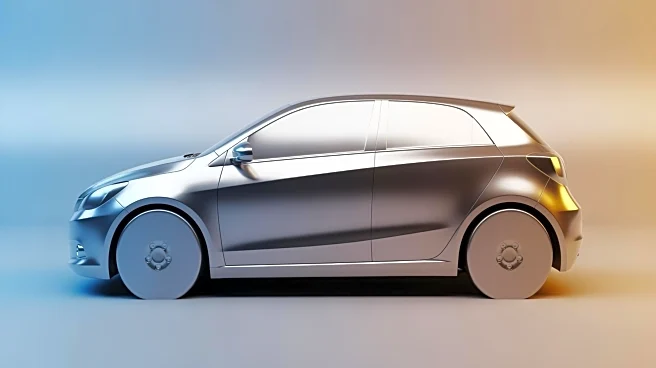


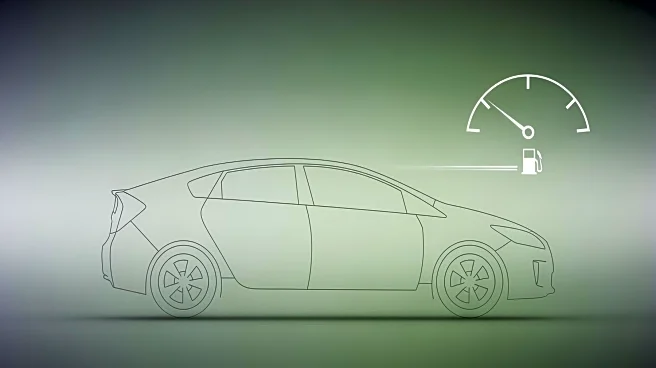
The Ford Fiesta has been a symbol of innovation and design excellence in the automotive industry since its introduction in 1976. Over the years, the Fiesta has undergone numerous transformations, incorporating cutting-edge technologies and design elements to meet the evolving needs of consumers. This article explores the design and technological innovations that have defined the Ford Fiesta throughout its production history.
Early Innovations and Design Philosophy
The first generation of
the Ford Fiesta, the MkI, was introduced in 1976 with a focus on compact design and fuel efficiency. Developed by Tom Tjaarda, the MkI featured a lightweight structure and a spacious interior, setting a new standard for subcompact cars. The Fiesta's aerodynamic design, with a drag coefficient of 0.42, was achieved through the use of computer-aided simulations, a pioneering approach at the time.
The MkI also introduced innovative features such as the McPherson strut suspension system, which improved handling and ride comfort. The Fiesta's design philosophy centered around providing a practical and efficient vehicle without compromising on style or performance. This approach laid the foundation for future generations of the Fiesta, which continued to build on these principles.
Technological Advancements in Later Generations
As the Ford Fiesta evolved, so did its technological offerings. The MkIII generation, introduced in 1989, marked a significant shift in design and technology. It was the first Fiesta to feature anti-lock braking systems and electronic fuel injection, enhancing both safety and performance. The MkIII also introduced a more aerodynamic shape, with smoother lines and improved fuel efficiency.
The introduction of the Zetec engines in the MkIV generation further showcased Ford's commitment to innovation. These engines offered better performance and fuel efficiency, making the Fiesta a competitive option in the subcompact market. The MkIV also featured advanced safety features, such as dual airbags and side impact protection, setting new standards for safety in its class.
The Final Generation: A Technological Marvel
The seventh and final generation of the Ford Fiesta, the MkVII, was introduced in 2017 and represented the pinnacle of design and technology. This generation featured a range of advanced technologies, including hybrid options and improved safety features. The MkVII was equipped with the latest infotainment systems, offering seamless connectivity and entertainment options for drivers and passengers.
The Fiesta's design continued to evolve, with a more refined and modern aesthetic. The MkVII's sleek lines and bold grille design reflected Ford's commitment to creating a visually appealing and technologically advanced vehicle. Despite its discontinuation in 2023, the Ford Fiesta's legacy of innovation and design excellence will continue to inspire future generations of automotive enthusiasts.