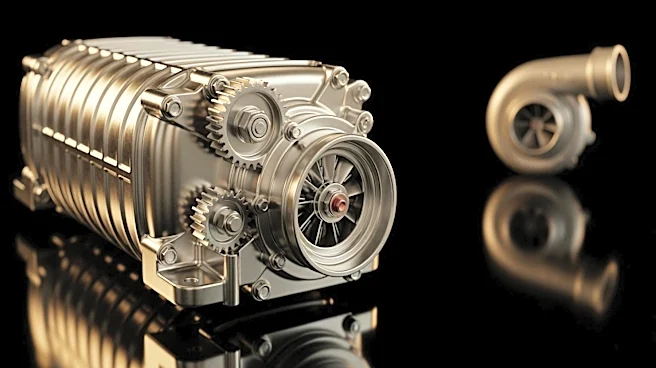


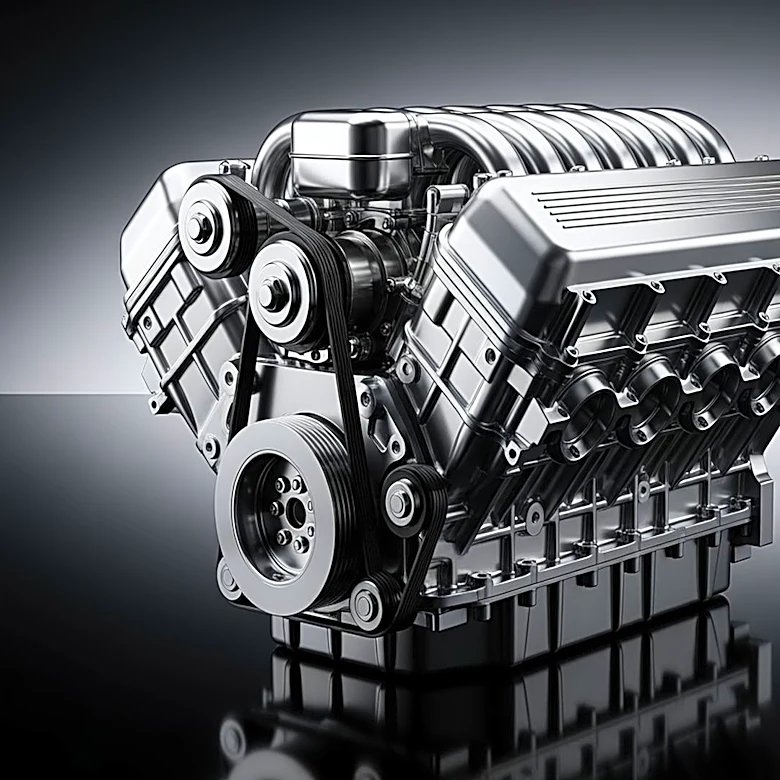
Turbochargers are a critical component in modern engines, enhancing power and efficiency by compressing intake air. Understanding how they work and the components involved can provide insight into their role in engine performance. This article delves into the key elements of turbocharger technology and their functionality.
Key Components of a Turbocharger
A turbocharger consists of several essential components that work together to boost engine performance. The main parts include
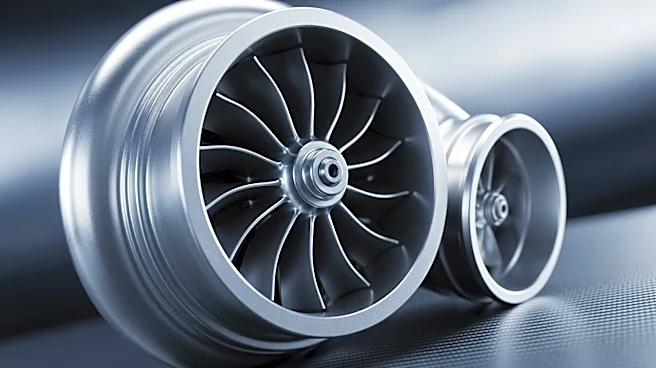
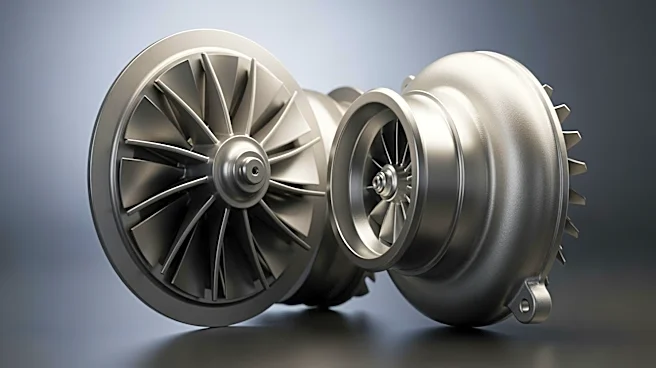
the turbine, compressor, and center housing hub rotating assembly. The turbine, often referred to as the "hot side," is powered by the engine's exhaust gases. It uses a series of blades to convert the kinetic energy from the exhaust into mechanical energy, which drives the compressor.
The compressor, known as the "cold side," draws in outside air, compresses it, and feeds it into the engine's combustion chambers. This process increases the air density, allowing more fuel to be burned and thus increasing power output. The center housing hub rotating assembly connects the turbine and compressor, allowing them to work in unison.
Functionality and Performance
The performance of a turbocharger is closely tied to its size and the relative sizes of the turbine and compressor wheels. Larger turbines require higher exhaust gas flow rates, which can increase turbo lag but also allow for greater peak power. Conversely, smaller turbines can produce boost more quickly but may limit the engine's maximum power output.
To optimize performance, various technologies have been developed. Twin-scroll turbochargers, for example, use two separate exhaust gas inlets to maximize the energy extracted from the exhaust gases. This design improves responsiveness and reduces back pressure. Variable-geometry turbochargers adjust the turbine's aspect ratio based on engine speed, reducing lag and improving efficiency across a wider range of operating conditions.
Innovations and Future Directions
Recent advancements in turbocharger technology include electrically-assisted turbochargers, which use an electric motor to reduce turbo lag by spooling up the turbo before exhaust gases are sufficient. This innovation enhances engine efficiency, particularly in urban driving conditions where stop-and-go traffic is common.
As automotive technology continues to evolve, turbochargers are expected to play an increasingly important role in improving engine performance and efficiency. With ongoing research and development, new designs and materials are likely to emerge, further enhancing the capabilities of turbochargers and their contribution to modern engine technology.