




Boardshorts have come a long way since their inception, evolving from practical surfwear to a popular fashion item. Originally designed for surfers, these long, loose-fitting shorts have become a staple in beachwear and casual fashion. This article explores the historical development of boardshorts, tracing their journey from surf trunks to a widely accepted garment in various settings.
Origins and Early Development
Boardshorts, initially known as surf trunks, were created to meet
the needs of surfers. The design was focused on functionality, with the primary goal of protecting surfers' legs from the sticky wax on surfboards. This wax, essential for grip, could painfully rip hair off the legs when surfers sat on their boards. The extra length of boardshorts provided a protective barrier, making them an essential piece of gear for surfers.
The material used in early boardshorts was typically strong and smooth polyester or nylon, chosen for its durability and quick-drying properties. These materials ensured that the shorts could withstand the harsh conditions of surfing while remaining comfortable for the wearer. Over time, the design of boardshorts evolved, influenced by both practical needs and fashion trends.
The Rise of Boardshorts in Popular Culture
As surfing gained popularity, so did boardshorts. By the 1980s, they had become a symbol of the surfing lifestyle, embraced by surfers and non-surfers alike. The loose, baggy style of boardshorts appealed to a broader audience, and they began to be worn for various beach activities beyond surfing.
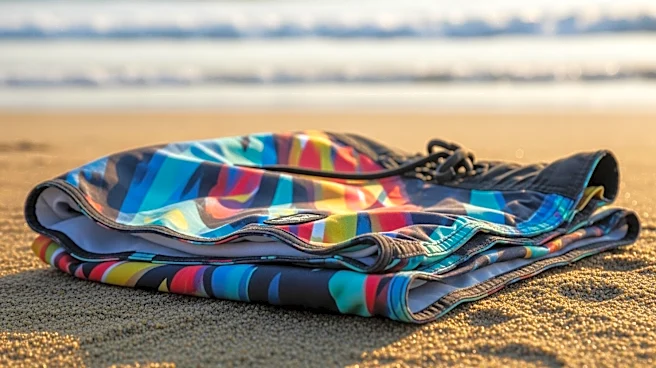
The influence of boardshorts extended beyond the beach, as they became associated with the skater punk fashion trend. This cultural shift helped solidify their place in casual wear, particularly in North America. The vibrant colors and striking patterns, often featuring Hawaiian floral designs, made boardshorts a fashionable choice for many.
Modern Innovations and Trends
In recent years, boardshorts have continued to evolve, incorporating new technologies and design features. Some manufacturers have addressed common complaints, such as the discomfort caused by velcro fly closures, by introducing neoprene flies that offer stretch and comfort. Additionally, seamless designs and the use of welding or glue instead of stitches have improved the overall comfort and fit of boardshorts.
Today, boardshorts are produced by almost all swimsuit manufacturers and many designer brands. They are available in a wide range of styles, catering to both men and women. While they remain a staple in surfing and beachwear, boardshorts have also found a place in other areas, such as mixed martial arts and men's physique competitions. The evolution of boardshorts reflects their enduring appeal and versatility, making them a timeless piece of clothing.