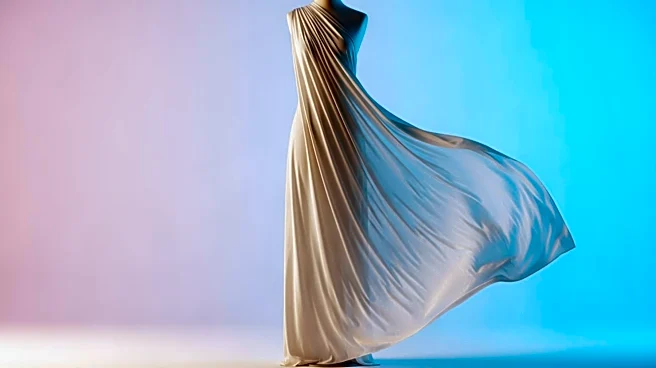

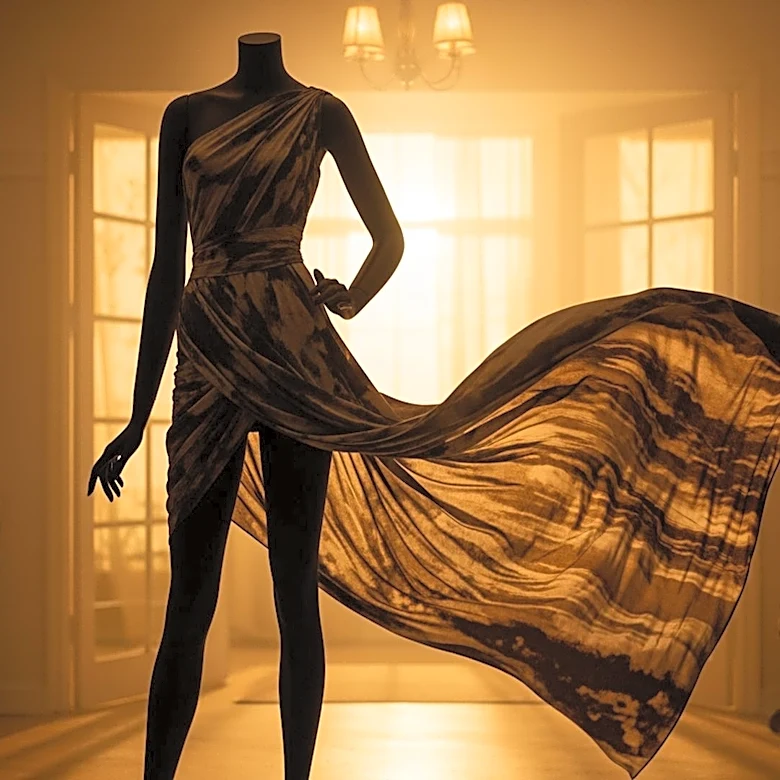
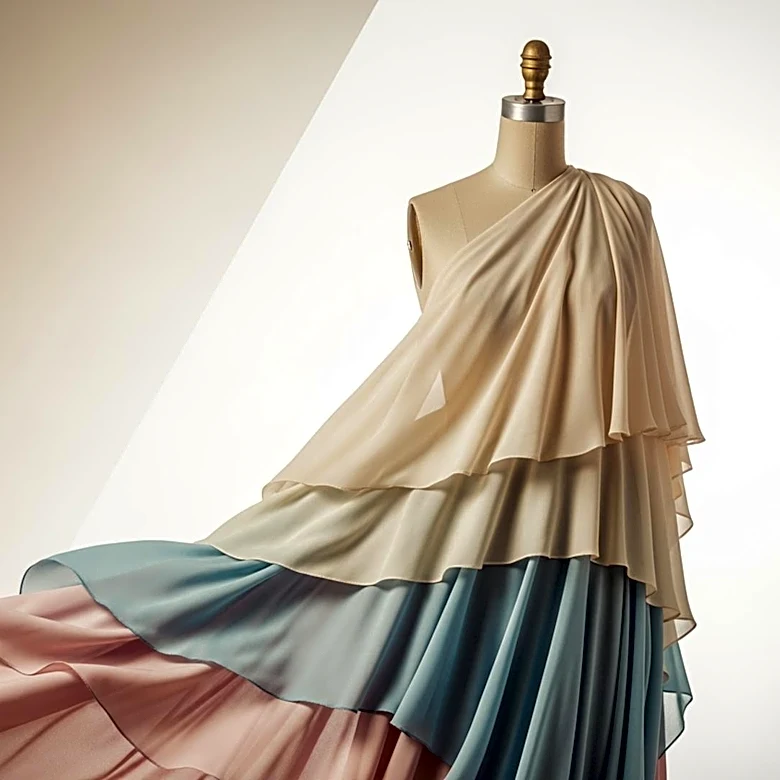
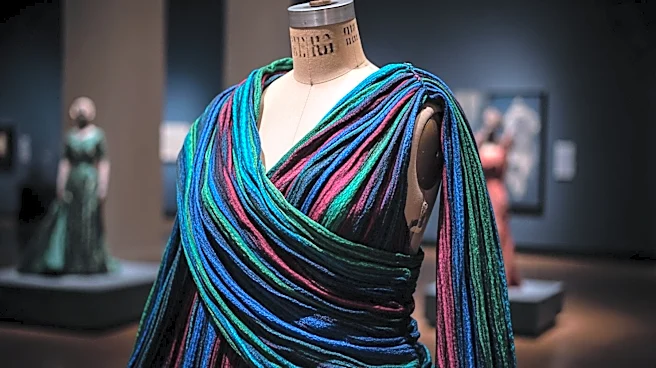
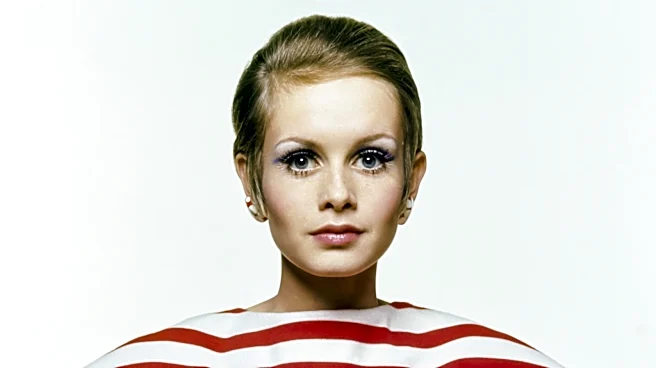
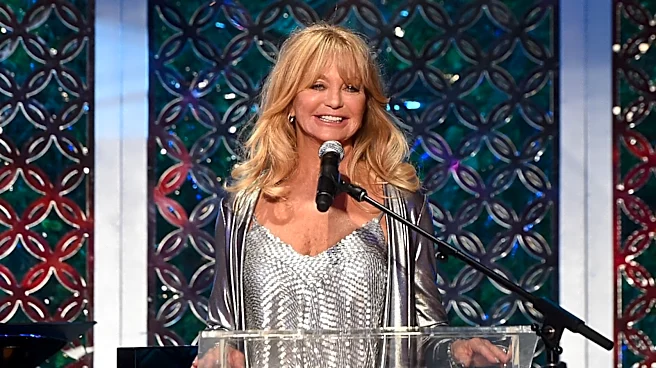
The maxi dress, an ankle-length garment, has become a staple in women's fashion since its emergence in the late 1960s. Known for its informal style, the maxi dress offers a casual alternative to more formal gowns. This article delves into the historical development of the maxi dress, tracing its journey from a fashion novelty to a wardrobe essential.
The Birth of the Maxi Dress
The late 1960s marked a period of significant change in the fashion industry, with the maxi dress emerging
as a new trend. This era was characterized by a shift towards more relaxed and informal clothing styles, reflecting broader cultural changes. The maxi dress, with its ankle-length design, offered a fresh alternative to the shorter hemlines that had dominated the previous decade. Its introduction was part of a broader movement towards more comfortable and versatile clothing options for women.
The maxi dress quickly gained popularity due to its versatility and ease of wear. Unlike the more structured and formal gowns of earlier decades, the maxi dress was designed to be worn in a variety of settings, from casual outings to more formal occasions. This adaptability made it an appealing choice for women seeking both style and comfort.
Popularization in the 1970s
The 1970s saw the maxi dress become a fashion staple, embraced by women across the globe. This decade was marked by a growing interest in bohemian and hippie styles, which the maxi dress complemented perfectly. Its flowing silhouette and relaxed fit aligned with the era's emphasis on freedom and self-expression.
Designers began experimenting with different fabrics, patterns, and colors, further enhancing the appeal of the maxi dress. From bold prints to delicate florals, the maxi dress became a canvas for creativity and individuality. This period also saw the introduction of various sleeve lengths and necklines, allowing women to personalize their look while adhering to the maxi dress's core design principles.
The Maxi Dress Today
Today, the maxi dress remains a popular choice for women of all ages. Its enduring appeal lies in its ability to adapt to changing fashion trends while maintaining its core characteristics. Modern maxi dresses are available in a wide range of styles, from minimalist designs to more elaborate creations featuring intricate detailing.
The maxi dress's versatility continues to be one of its greatest strengths. It can be dressed up with accessories for formal events or worn casually for everyday activities. This adaptability ensures that the maxi dress remains a relevant and cherished part of women's fashion, decades after its initial introduction.
In conclusion, the maxi dress has evolved from a 1960s fashion trend into a timeless wardrobe staple. Its journey reflects broader changes in fashion and culture, highlighting the importance of comfort, versatility, and personal expression in women's clothing.