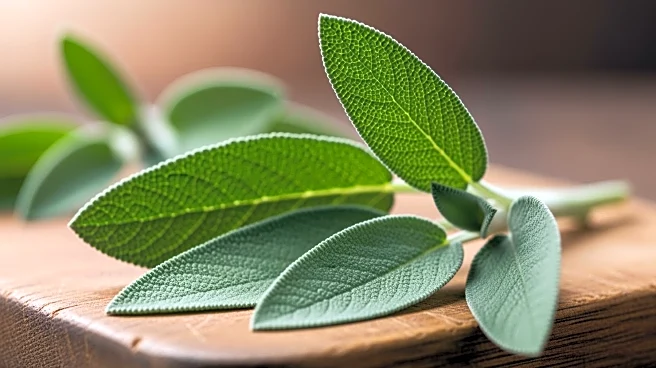



Salvia officinalis, commonly known as sage, is a perennial herb with a rich history of culinary and medicinal use. Native to the Mediterranean region, this evergreen subshrub has been cherished for its aromatic leaves and vibrant flowers. This article delves into the various uses and significance of Salvia officinalis, highlighting its role in both the kitchen and traditional medicine.
Culinary Uses of Sage
Sage has long been a staple in culinary traditions across the globe,
particularly in European cuisines. Its savory, slightly peppery flavor makes it a versatile ingredient in a variety of dishes. In Britain, sage is considered one of the essential herbs, often paired with parsley, rosemary, and thyme. It is a key component in sage and onion stuffing, a classic accompaniment to roast turkey or chicken during festive occasions like Christmas and Thanksgiving.
In Italian cuisine, sage is an essential condiment for dishes such as saltimbocca, where it complements the flavors of meat and fish. The herb is also used in salvia fritta, a popular Italian dish where sage leaves are fried to create a crispy, flavorful snack. Sage's ability to enhance the taste of fall produce, such as pumpkin and butternut squash, further cements its place in the culinary world.
Medicinal Properties and Historical Uses
Beyond its culinary applications, Salvia officinalis has a long history of medicinal use. The Romans referred to sage as the "holy herb," employing it in religious rituals and for its purported healing properties. Throughout the Middle Ages, sage was highly regarded for its medicinal benefits, with many sayings extolling its virtues. It was believed to treat a variety of ailments, from snakebites to nervous conditions.
Sage was often used as a diuretic, a local anesthetic, and a tonic. It was also included in recipes for Four Thieves Vinegar, a blend of herbs thought to ward off the plague. In traditional medicine, sage was used for hair care, insect bites, and oral preparations for inflammation. Its reputation as a "savior" herb is reflected in its historical name, S. salvatrix.
Modern Research and Uses
In contemporary times, Salvia officinalis continues to be valued for its potential health benefits. Preliminary research suggests that sage may have positive effects on cognitive performance, although its long-term effects remain undetermined. The essential oils derived from sage contain compounds like thujone, which have been studied for their neurotoxic properties.
Despite its potential benefits, caution is advised when using sage in medicinal contexts, as excessive consumption of its essential oils can lead to adverse effects. Nonetheless, Salvia officinalis remains a cherished herb, celebrated for its rich history and diverse applications in both culinary and medicinal fields.