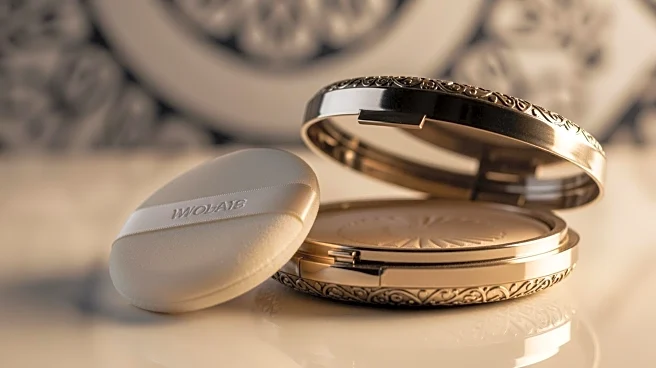




Face powder has played a significant role in shaping beauty standards and cultural identities across civilizations. From ancient Egypt to modern times, its use has been influenced by social norms, status symbols, and evolving perceptions of beauty. This article delves into the cultural significance of face powder, highlighting its impact on various societies and the meanings attached to its use.
Ancient Egypt and Greece
In ancient Egypt, face powder was more than a cosmetic;
it was a symbol of eternal beauty and protection. Both men and women used powders made from lead fibers, stored in stone containers found in graves. The influence of Cleopatra further popularized the use of colorful powders for eye makeup, setting a beauty standard that resonated through the ages.
The cultural significance of face powder extended to ancient Greece, where it was used to signify social status and racial superiority. Greek women applied cinnabar and white lead to achieve a pale complexion, a marker of high status and leisure. The desire for whitened skin reflected broader social ideas about race and gender, with pale skin associated with femininity and nobility.
Roman Ideals and Chinese Traditions
In ancient Rome, face powder was integral to expressing femininity and social status. Roman women aspired to a pale complexion, using cerussa to achieve this ideal. The cultural importance of fair skin was documented by poets like Ovid, who celebrated its beauty in his works. Despite the known dangers of lead, its use persisted due to the cultural value attached to a pale complexion.
In China, face powder was used for both beauty and medicinal purposes. Ancient Chinese women desired whitened skin, using rice flour and pearl powder to achieve this look. The use of lead-based powders continued due to their skin-whitening properties, reflecting the cultural significance of fair skin as a beauty ideal.
Modern Interpretations
The cultural significance of face powder has evolved over time, influenced by changing beauty standards and technological advancements. In the 20th century, Hollywood became a major influence on beauty trends, shifting the association of powdered faces from upper-class women to movie stars and socialites.
Today, face powder is available in various forms, catering to diverse skin tones and types. Its cultural significance continues to evolve, reflecting broader societal changes and the ongoing dialogue about beauty standards. The modern use of face powder highlights its enduring impact on cultural identities and the meanings attached to its use.