


Costume design is a powerful tool in the world of theater and film, playing a crucial role in character development and storytelling. By carefully selecting or creating clothing for performers, costume designers help define a character's personality, status, and emotional journey. This article explores how costume design contributes to character portrayal and enhances the narrative of a production.
Defining Character Traits
Costumes are instrumental in conveying a character's
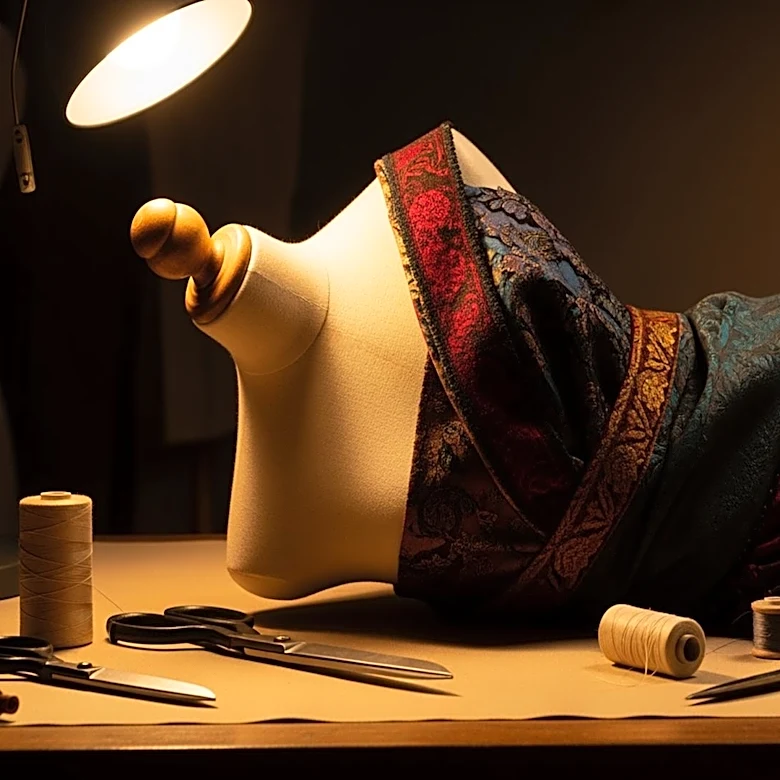
traits and background. Through the choice of fabric, color, and style, costume designers can communicate a character's social status, age, and personality. For example, luxurious fabrics and intricate designs may indicate wealth and power, while simple, worn clothing might suggest poverty or humility.
The use of color is particularly significant in costume design. Colors can symbolize emotions or themes, such as red for passion or danger, and blue for calmness or sadness. By incorporating these elements into a character's costume, designers provide visual cues that help the audience understand the character's motivations and relationships.
Supporting the Narrative
Costumes also play a vital role in supporting the overall narrative of a production. They help establish the time period, setting, and cultural context, allowing the audience to immerse themselves in the story. For historical or fantasy productions, accurate and detailed costumes are essential in creating a believable world.
In addition to setting the scene, costumes can highlight a character's transformation or growth throughout the story. Changes in a character's attire can signify shifts in their emotional state or social standing, providing a visual representation of their journey. This dynamic use of costumes adds depth to the storytelling and enhances the audience's engagement with the characters.
Enhancing Performance
Costumes are not only about aesthetics; they also influence actors' performances. By wearing costumes that align with their character's identity, actors can better embody their roles and deliver more authentic performances. The physicality of a costume, such as its weight or fit, can affect an actor's movement and posture, further contributing to the portrayal of the character.
Moreover, costumes can serve as a source of inspiration for actors, helping them connect with their characters on a deeper level. By understanding the symbolism and intention behind their costumes, actors can bring additional layers of meaning to their performances.
In conclusion, costume design is a vital aspect of character development and storytelling in theater and film. By carefully crafting costumes that reflect a character's identity and journey, designers enhance the narrative and create a more immersive experience for the audience.