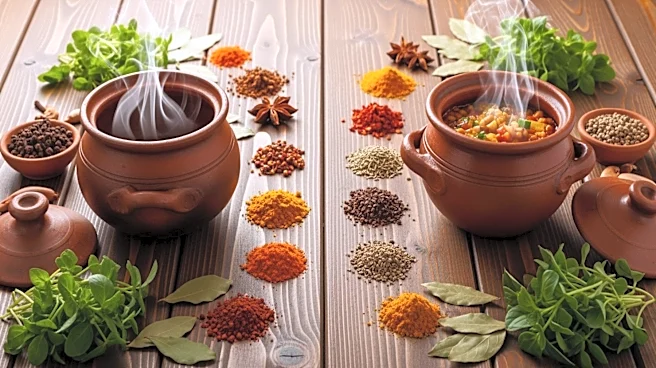




Iranian cuisine is a rich tapestry of flavors and ingredients, with each region of the country offering its own unique culinary specialties. From the fertile Caspian provinces to the arid deserts of the south, the diverse landscapes and climates of Iran have given rise to a wide variety of regional dishes. This article explores the regional variations in Iranian cuisine, highlighting the distinct flavors and ingredients that define each area.
The Caspian Coast
The northern
provinces of Iran, including Gilan and Mazandaran, are known for their fertile landscapes and abundant natural resources. The cuisine of this region is heavily influenced by the availability of fresh produce, seafood, and rice. Dishes from the Caspian coast often feature a combination of herbs, vegetables, and fish, with rice being a staple component of many meals.
One of the most popular cooking methods in this region is kateh, a style of rice preparation that results in a soft and sticky texture. This method is distinct from the chelow and polow styles found in other parts of Iran. The use of local herbs and spices, such as garlic and dill, adds depth and flavor to the dishes, while the incorporation of citrus fruits like oranges and lemons provides a refreshing contrast.
The Central Plateau
In contrast to the lush landscapes of the north, the central plateau of Iran is characterized by its arid climate and rugged terrain. The cuisine of this region reflects the need for hearty and sustaining meals, with an emphasis on meat, grains, and legumes. Stews, known as khoresh, are a staple of central Iranian cuisine, often featuring lamb or beef cooked with a variety of vegetables and spices.
Bread is another important component of the diet in this region, with flatbreads such as lavash and sangak being commonly consumed. These breads are often used to scoop up stews or as a base for toppings, making them a versatile and essential part of the central Iranian diet.
The Southern Provinces
The southern provinces of Iran, including Khuzestan and Hormozgan, are known for their spicy and flavorful dishes. The cuisine of this region is heavily influenced by the proximity to the Persian Gulf, with seafood playing a prominent role in many meals. Spices such as turmeric, cumin, and chili are commonly used to add heat and depth to the dishes.
One of the unique aspects of southern Iranian cuisine is the use of fermented fish sauce, known as mahyawa, which is used to add a tangy and savory flavor to dishes. The combination of spices and seafood creates a bold and vibrant culinary experience that is distinct from other regions of Iran.
Overall, the regional variations in Iranian cuisine reflect the diverse landscapes and cultural influences that have shaped the country. Each region offers its own unique flavors and ingredients, contributing to the rich and varied tapestry of Iranian culinary traditions.